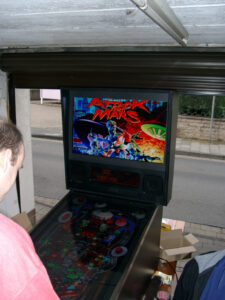
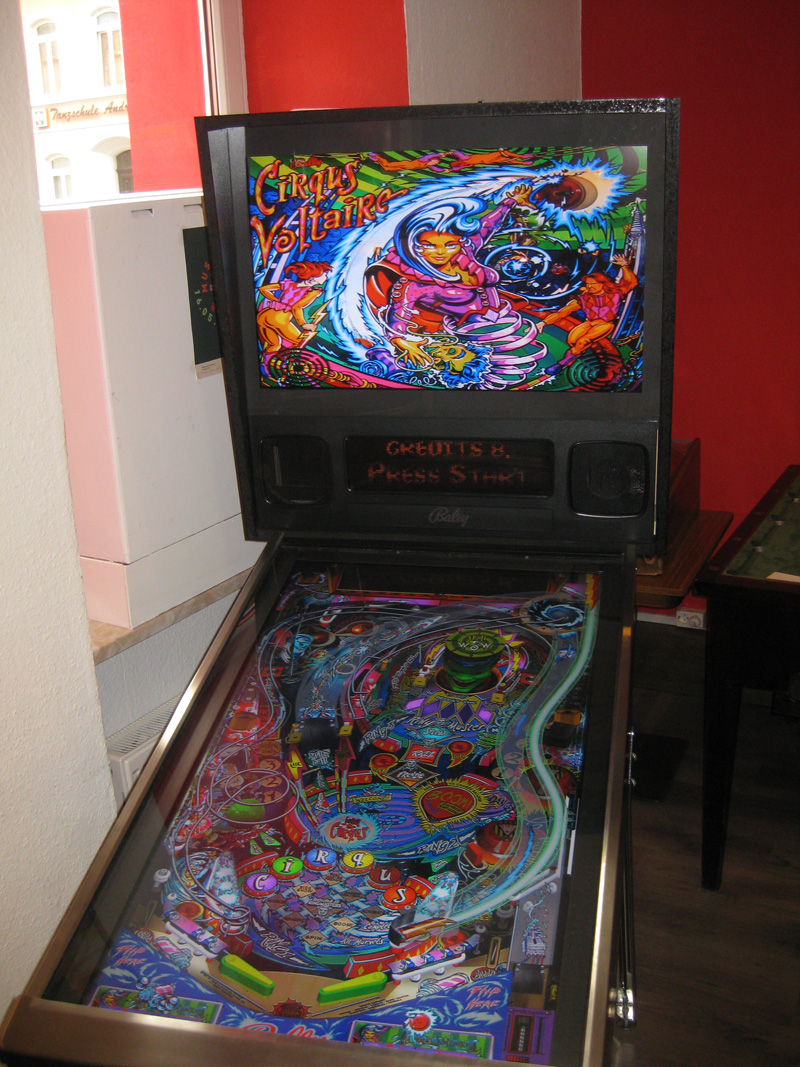
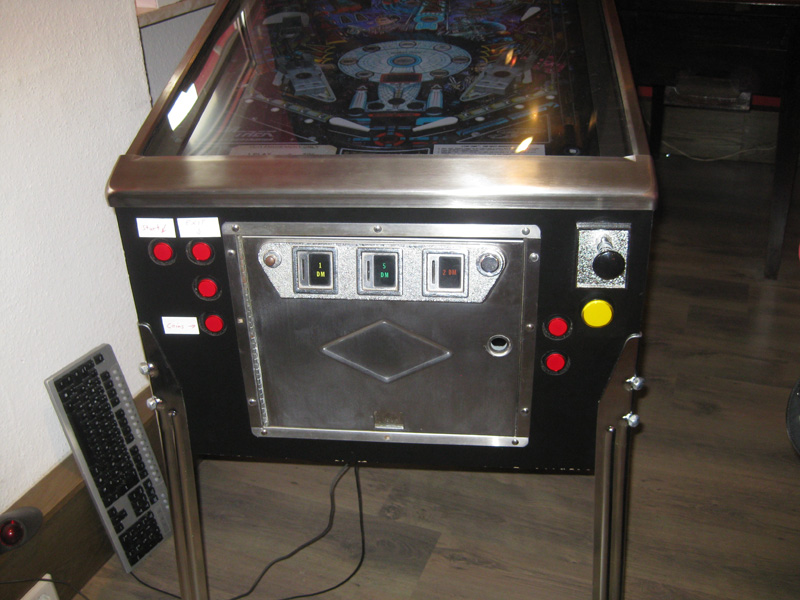
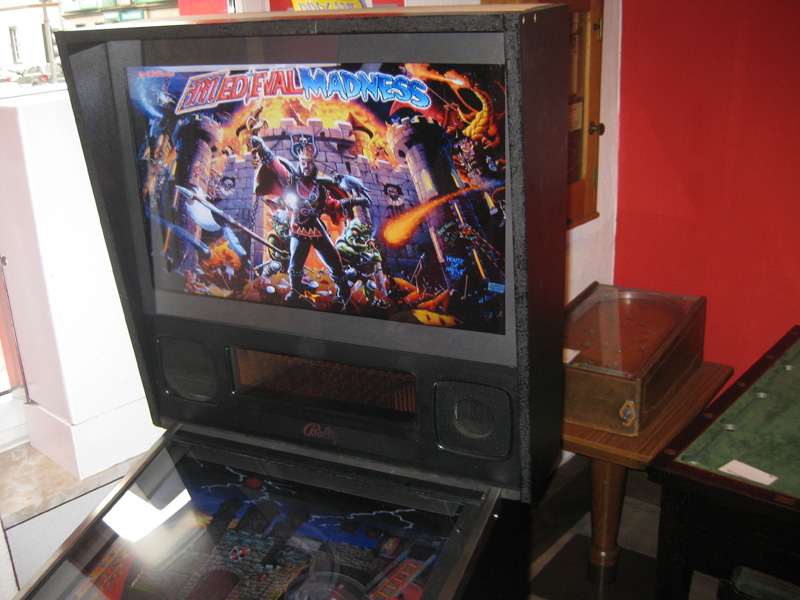
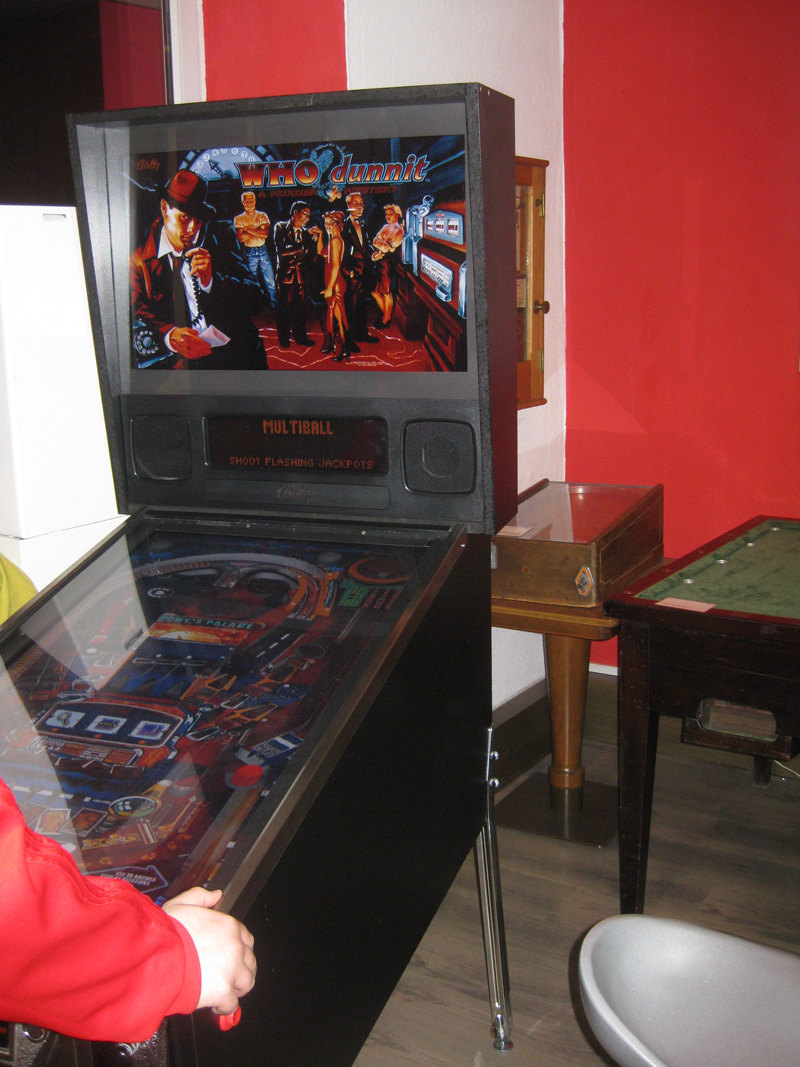
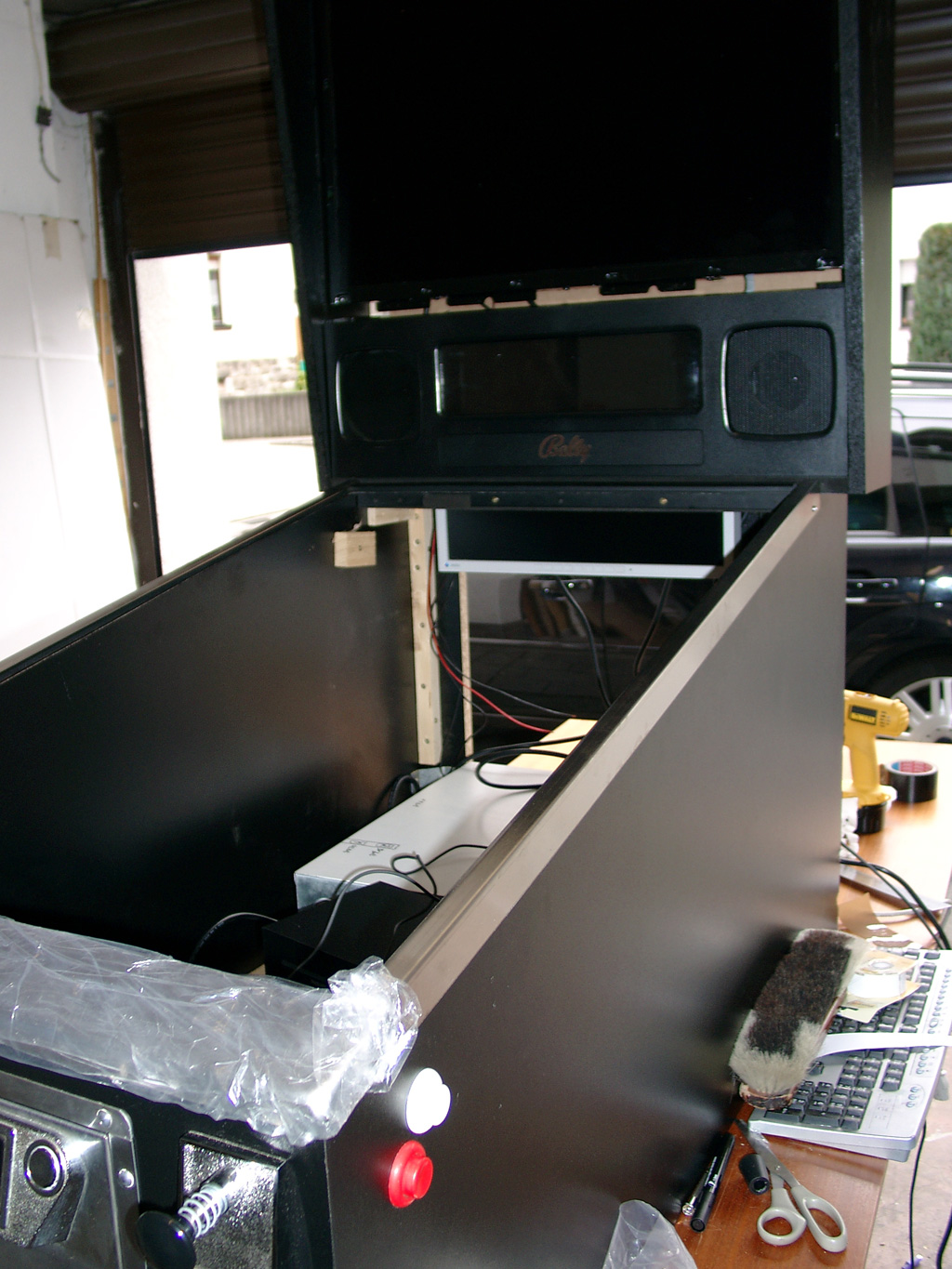
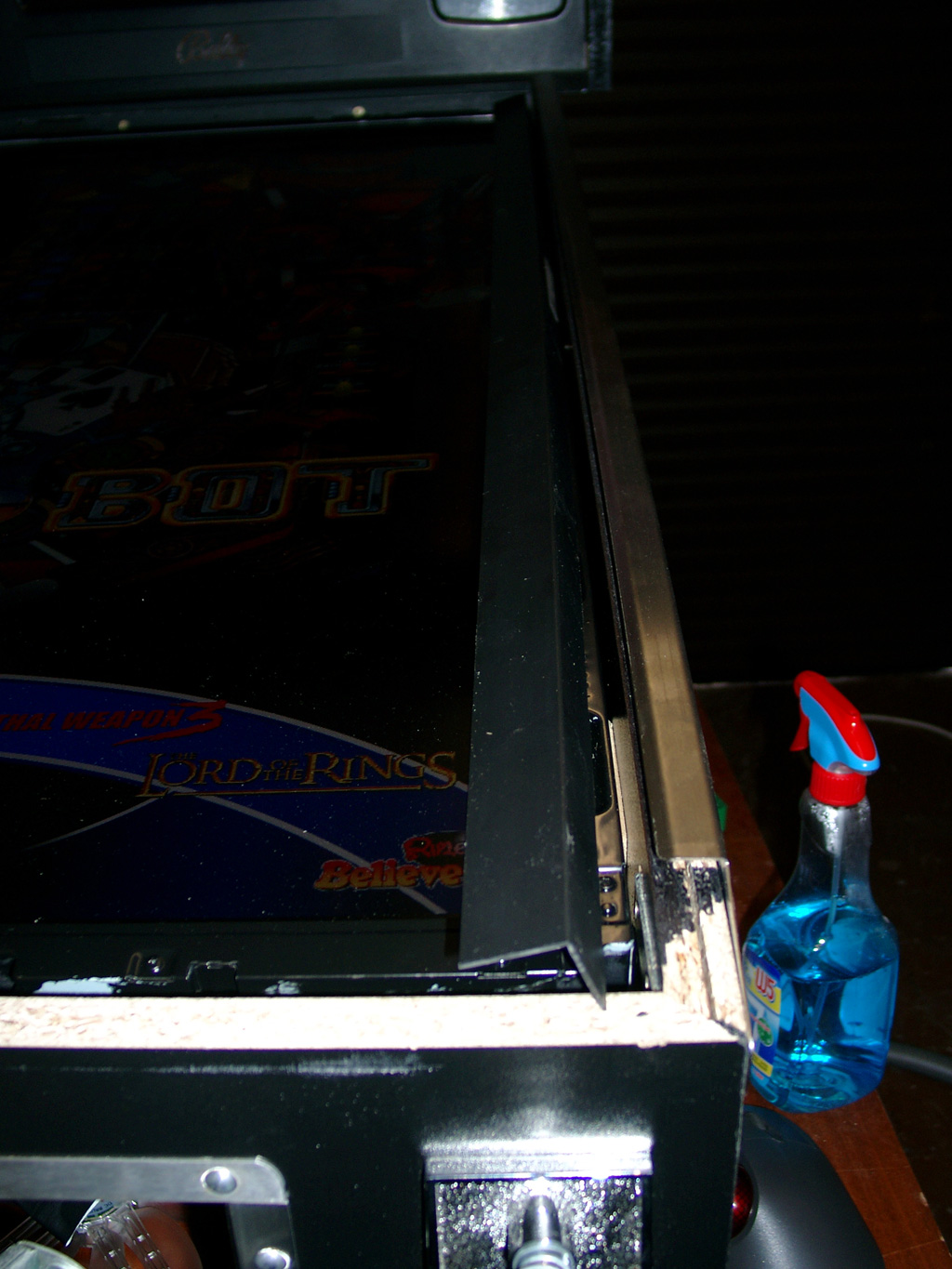
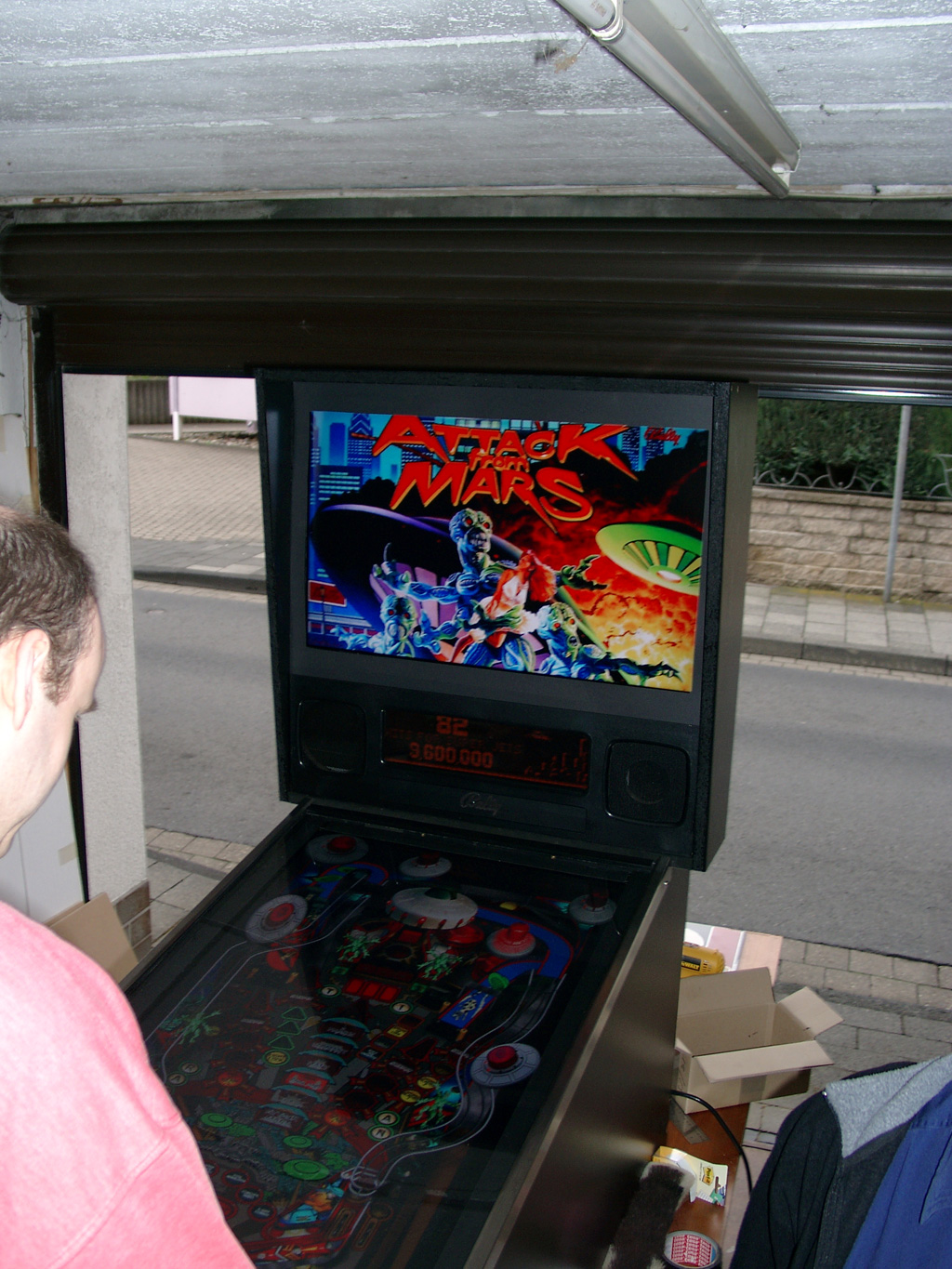
Today I have some time to make a little video of the virtual Pinball of us.
Blog
-
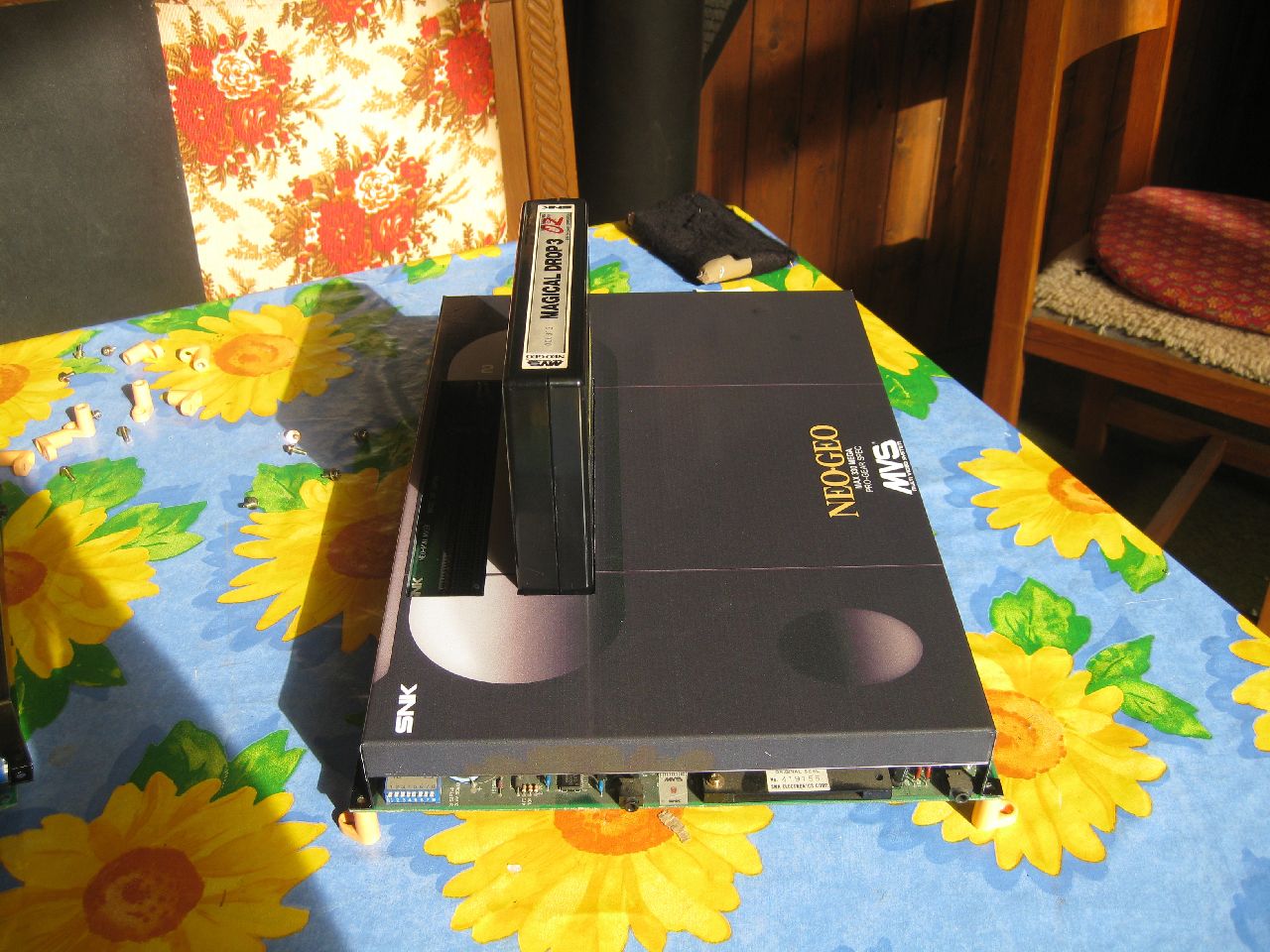
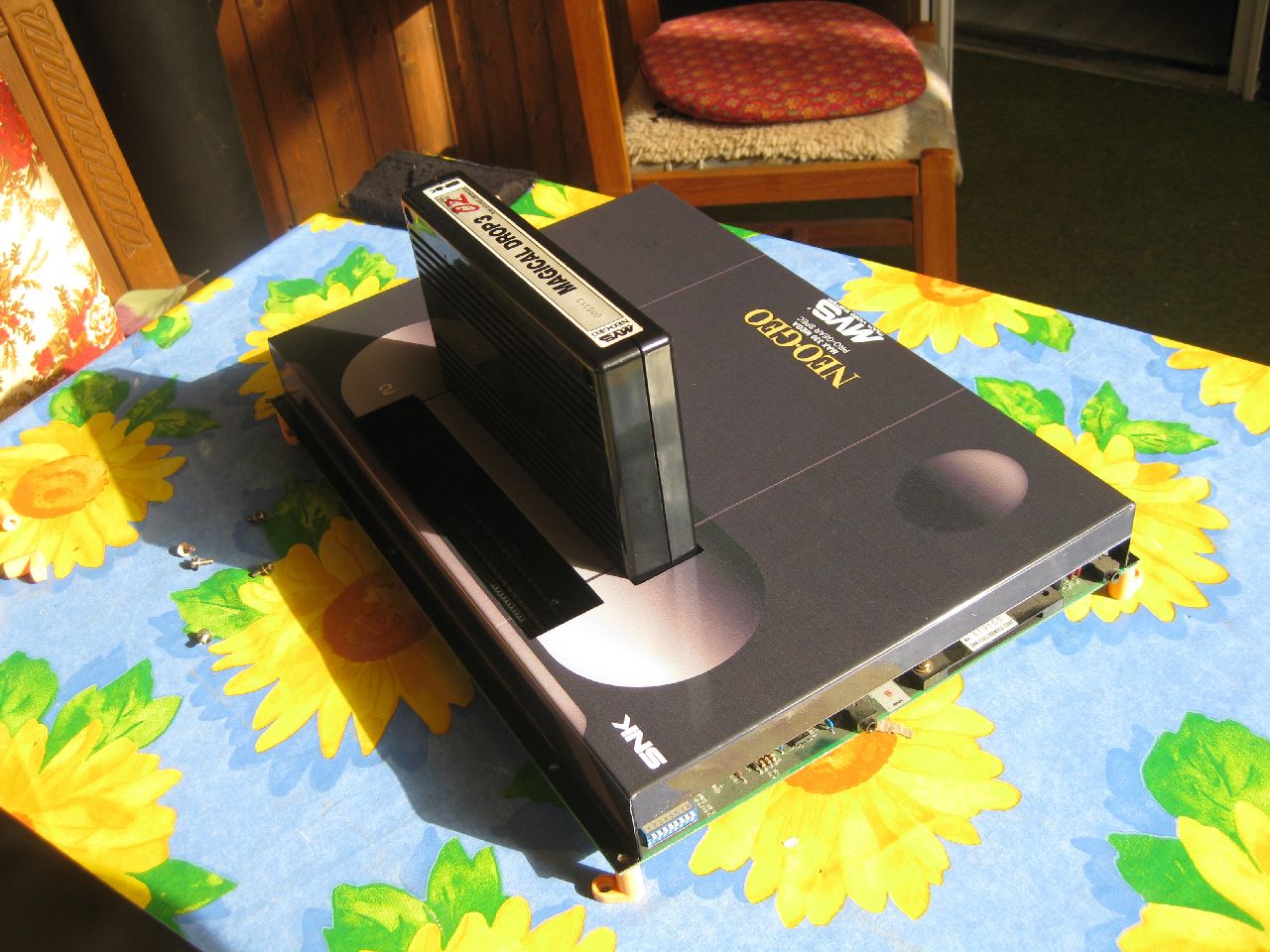
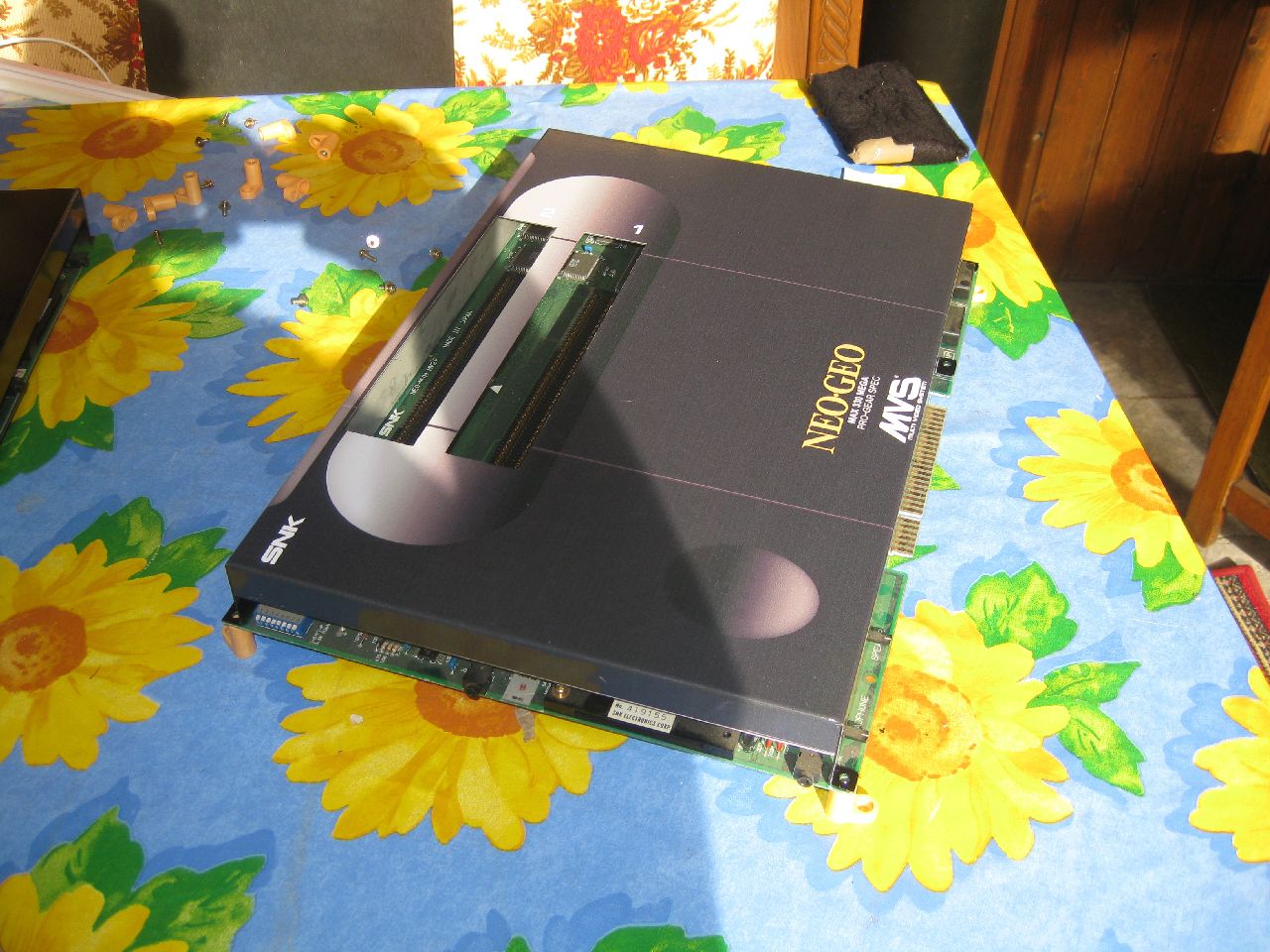
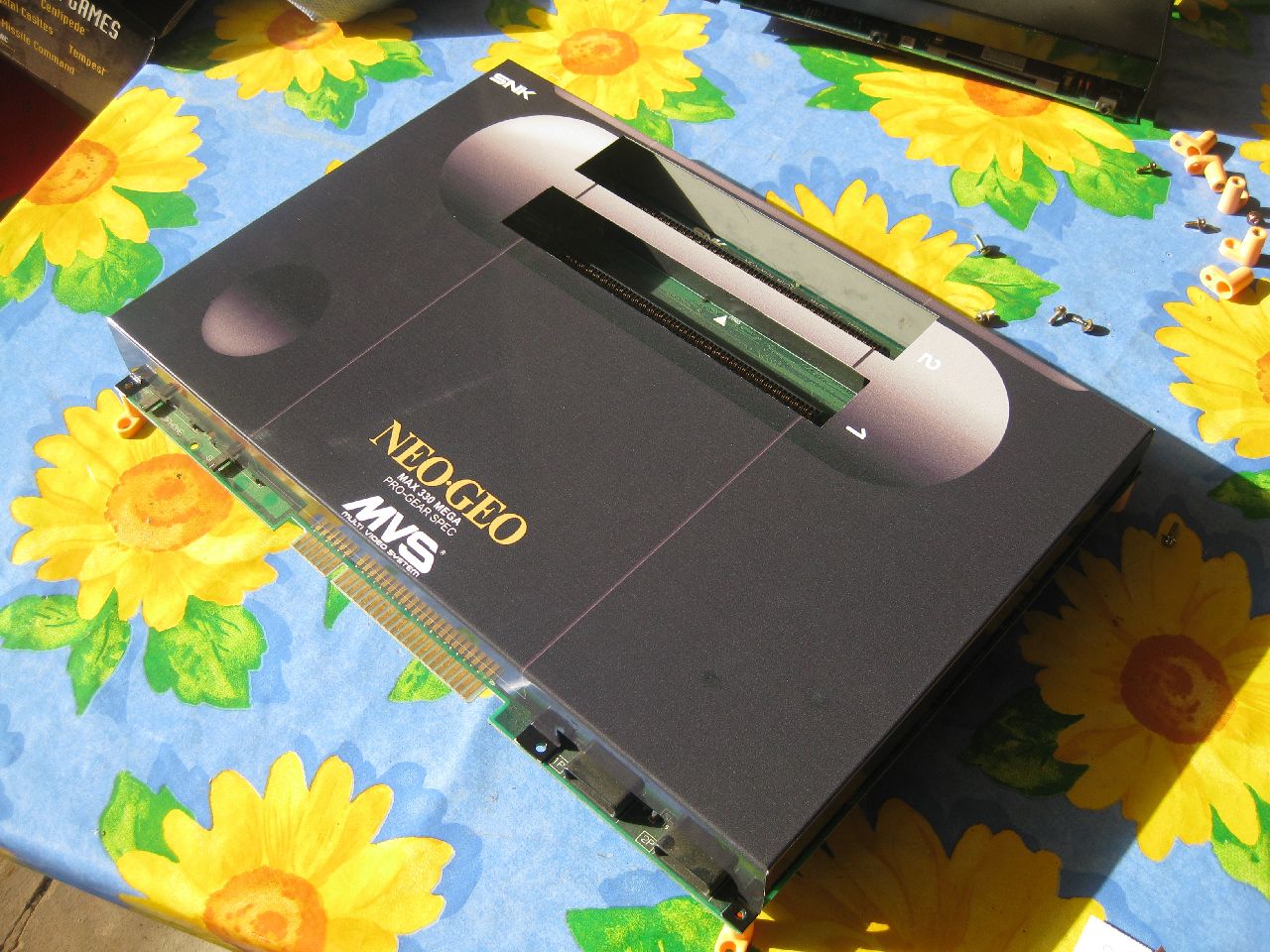
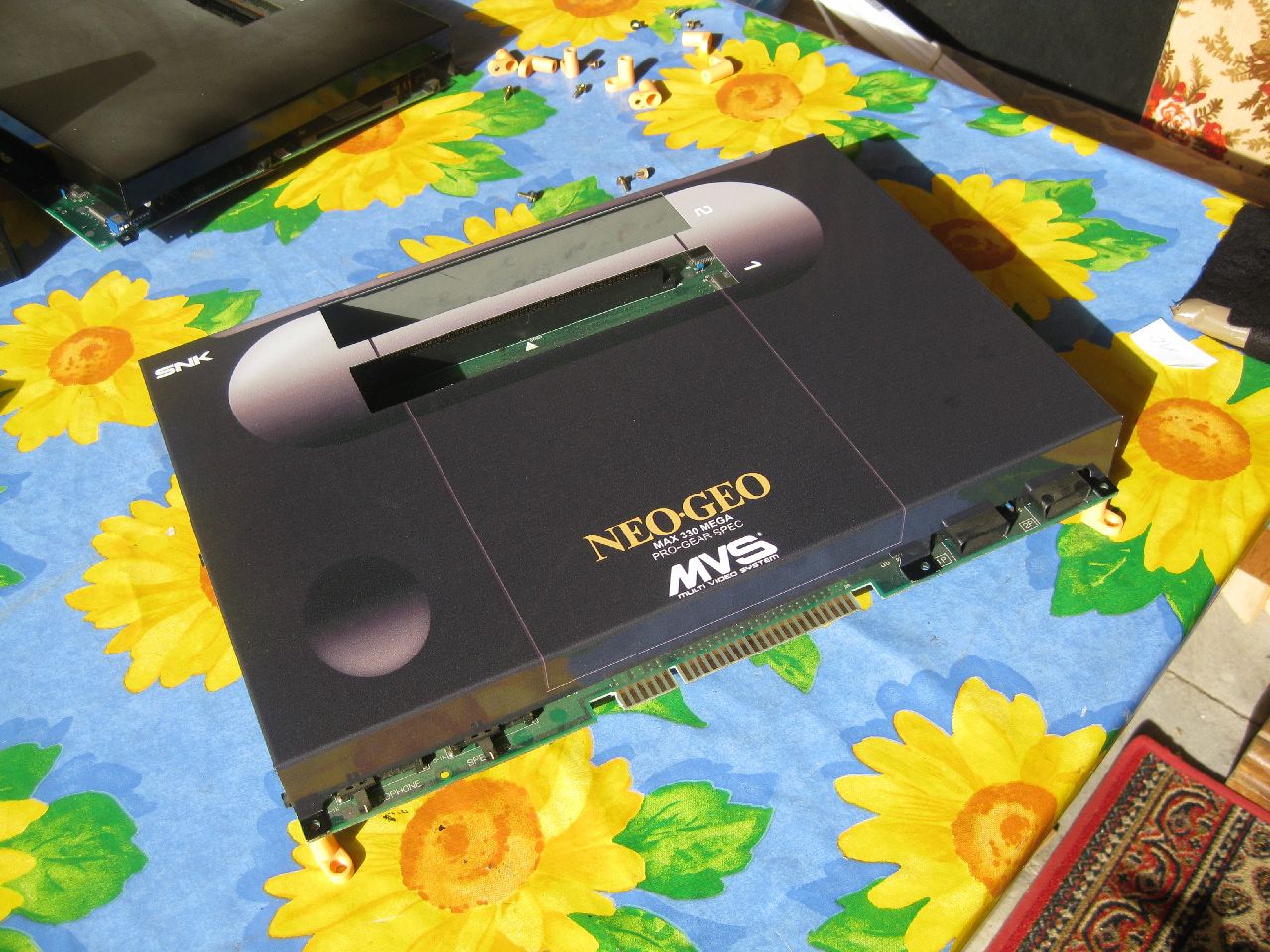
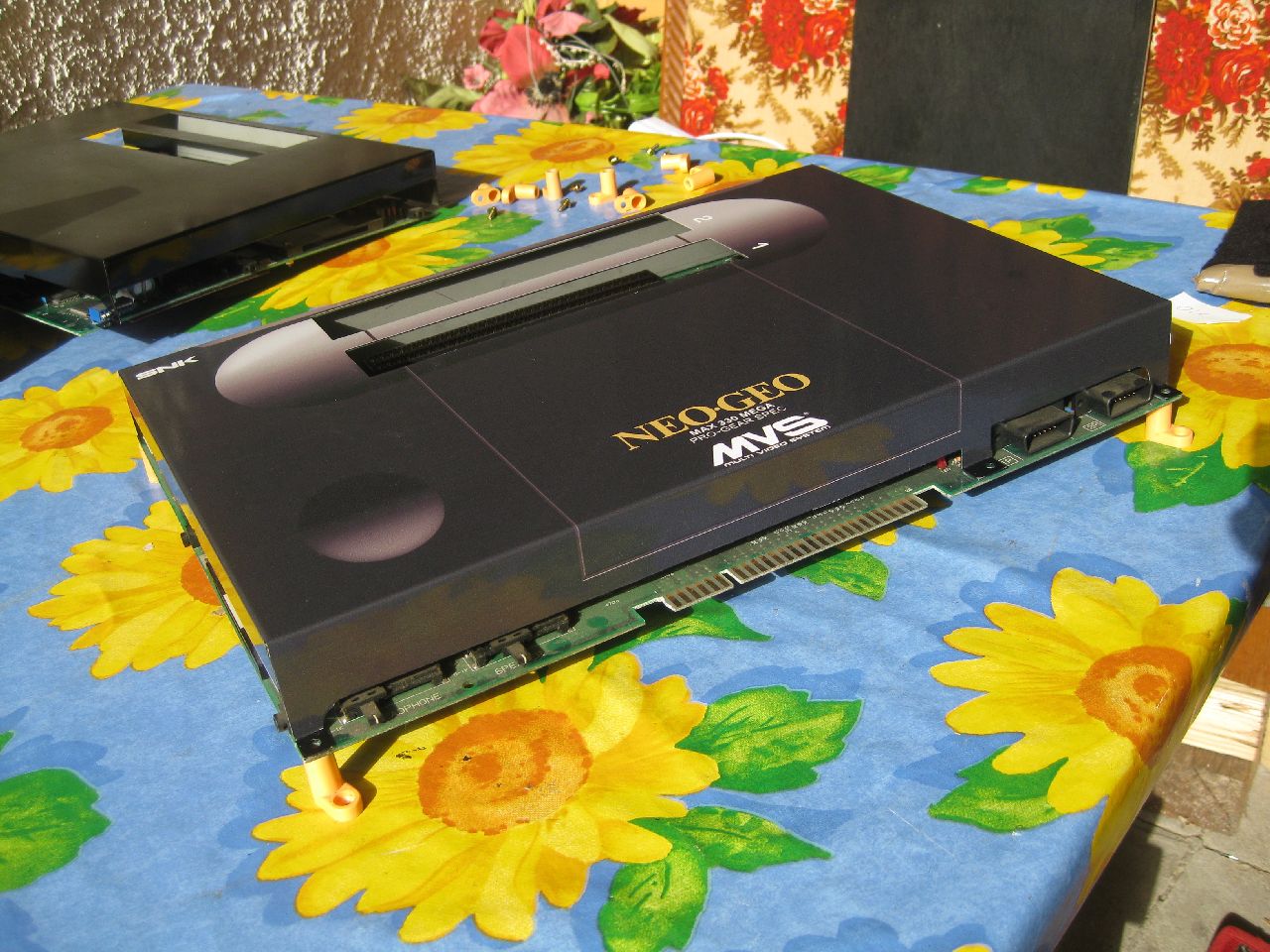
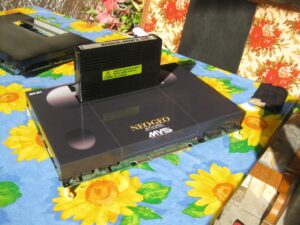
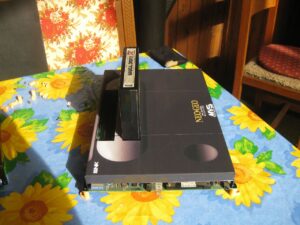
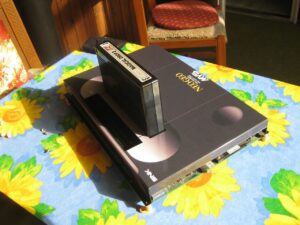
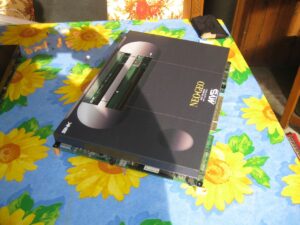
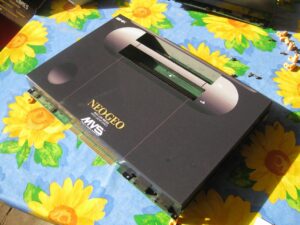
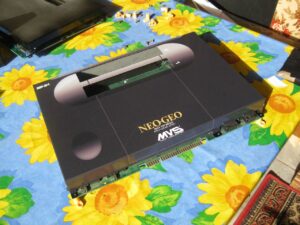
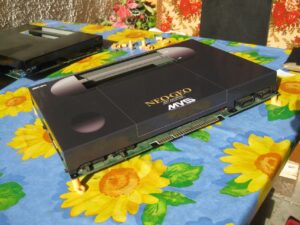
NeoGeo MVS adhesive mod
Hi Folks,
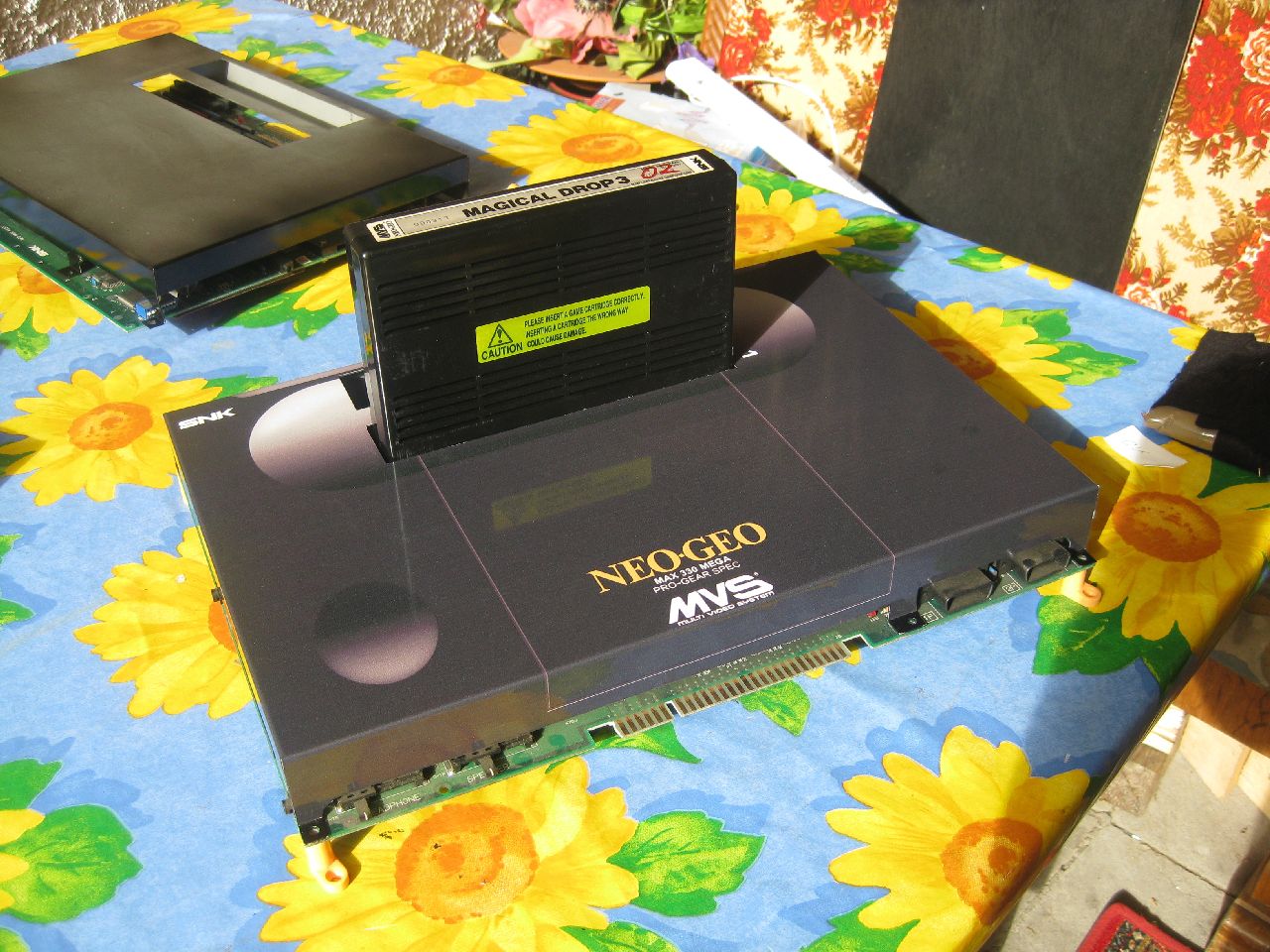
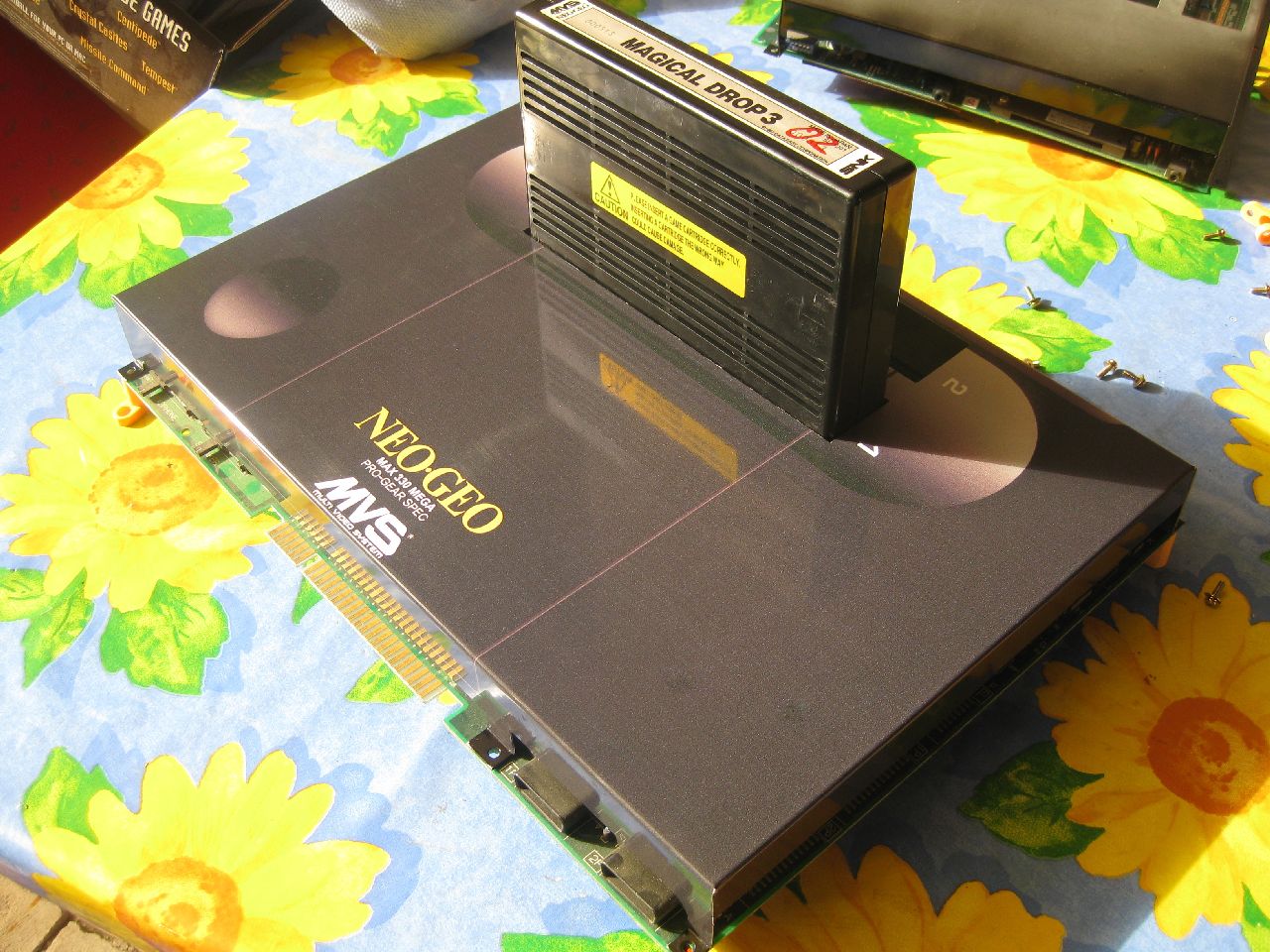
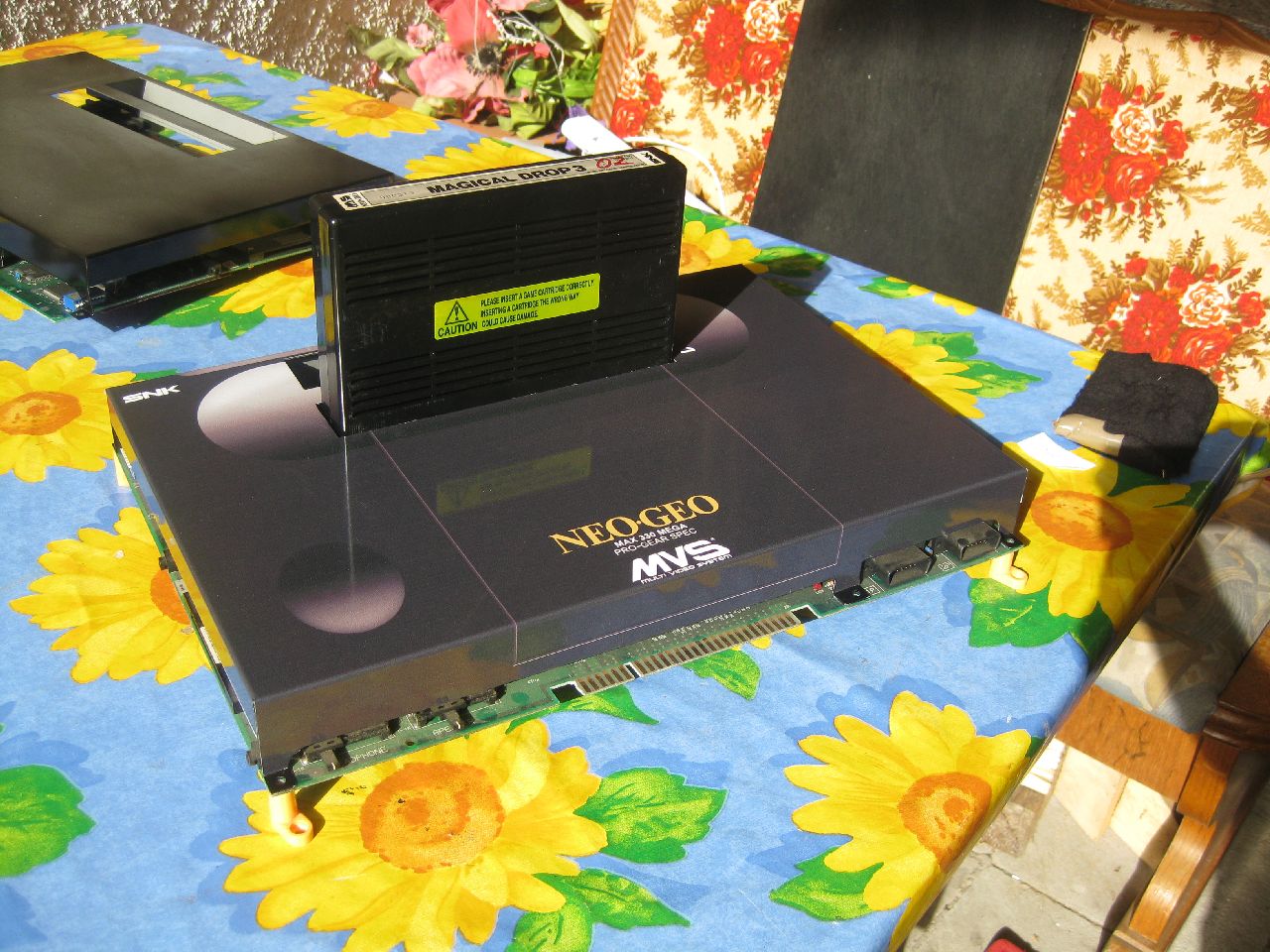
here you can see the adhesive mod of a MVS two Slot System in „NeoGeo Style“:
PS: Great background 😉
-
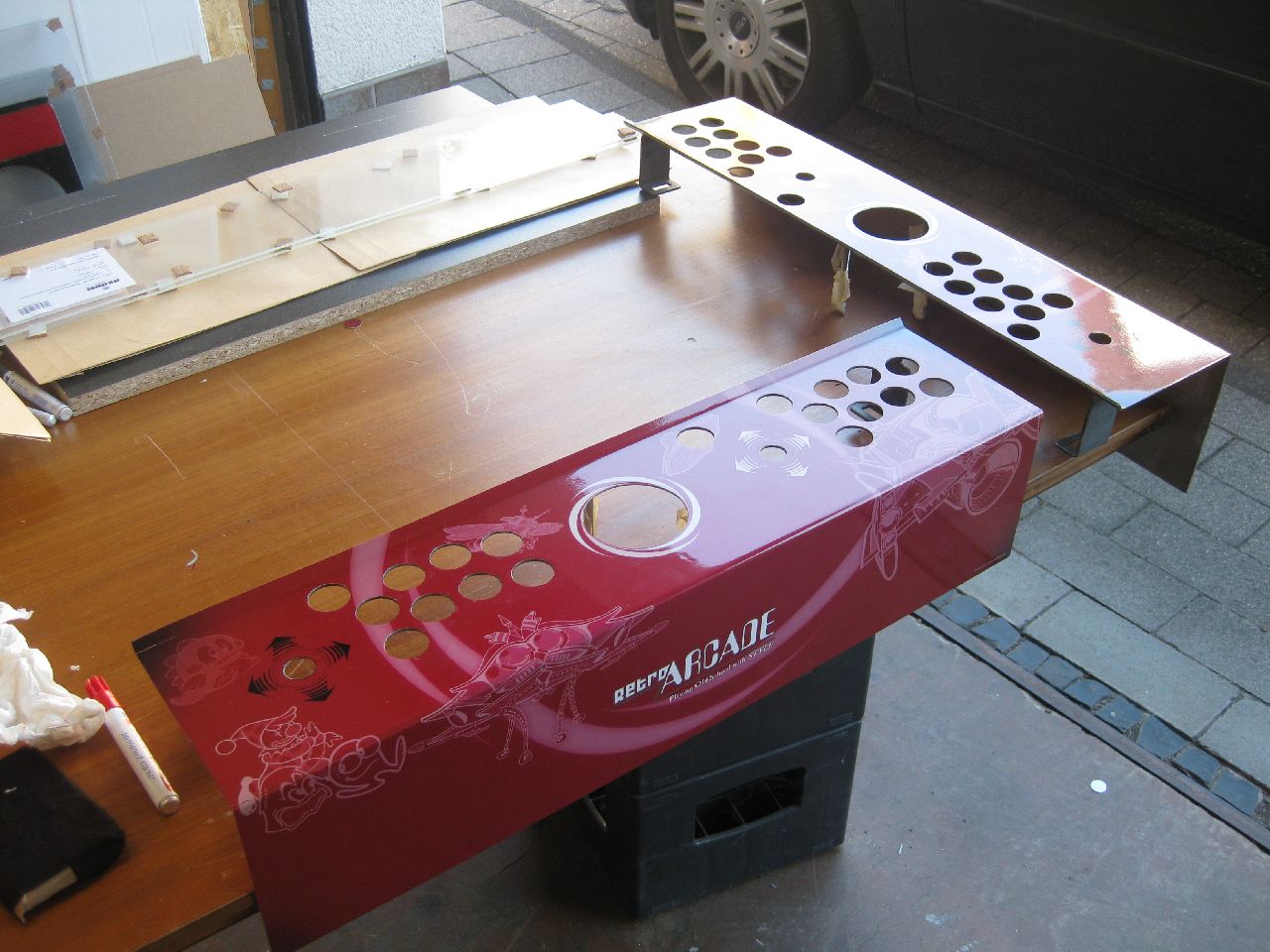
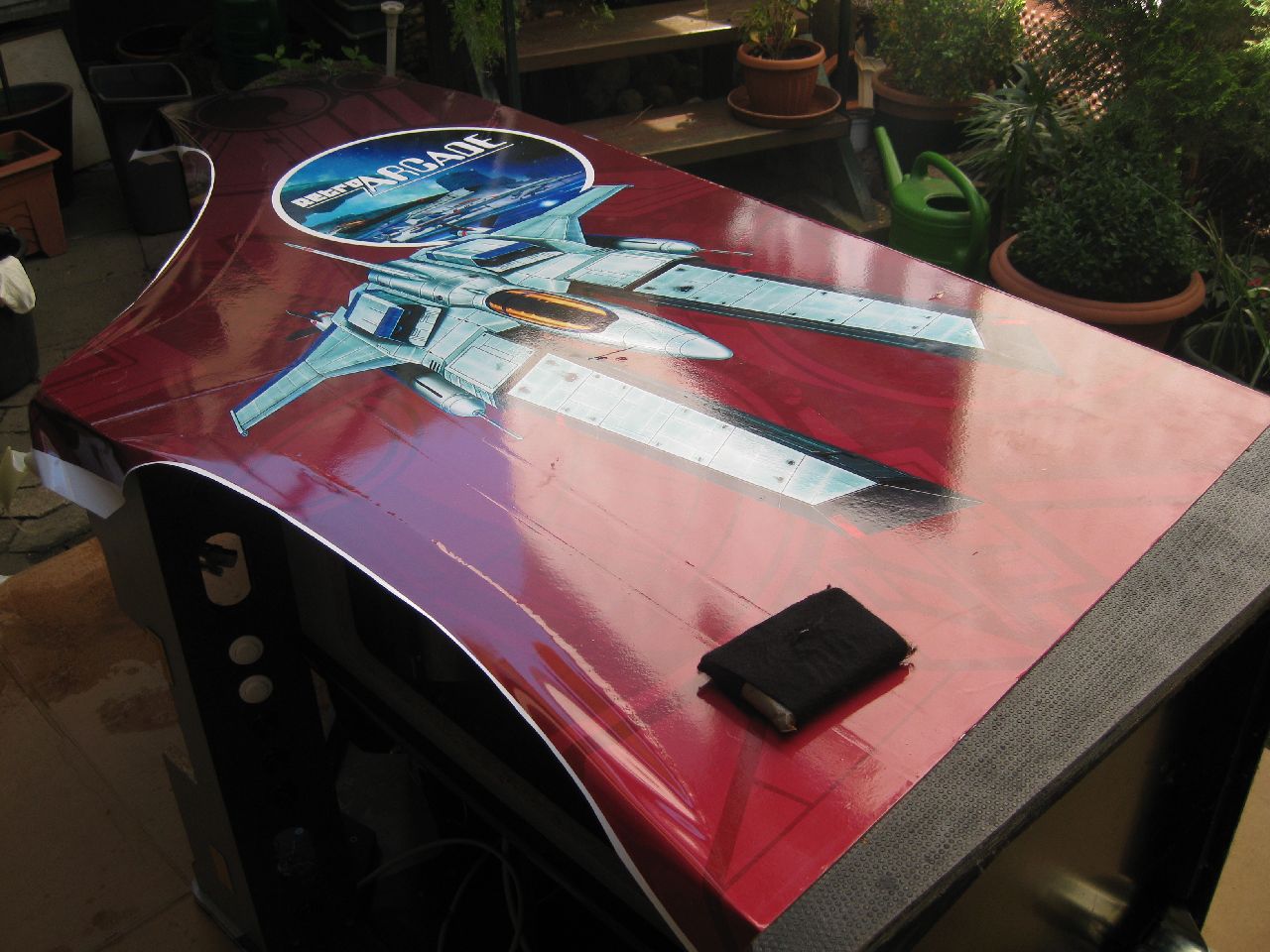
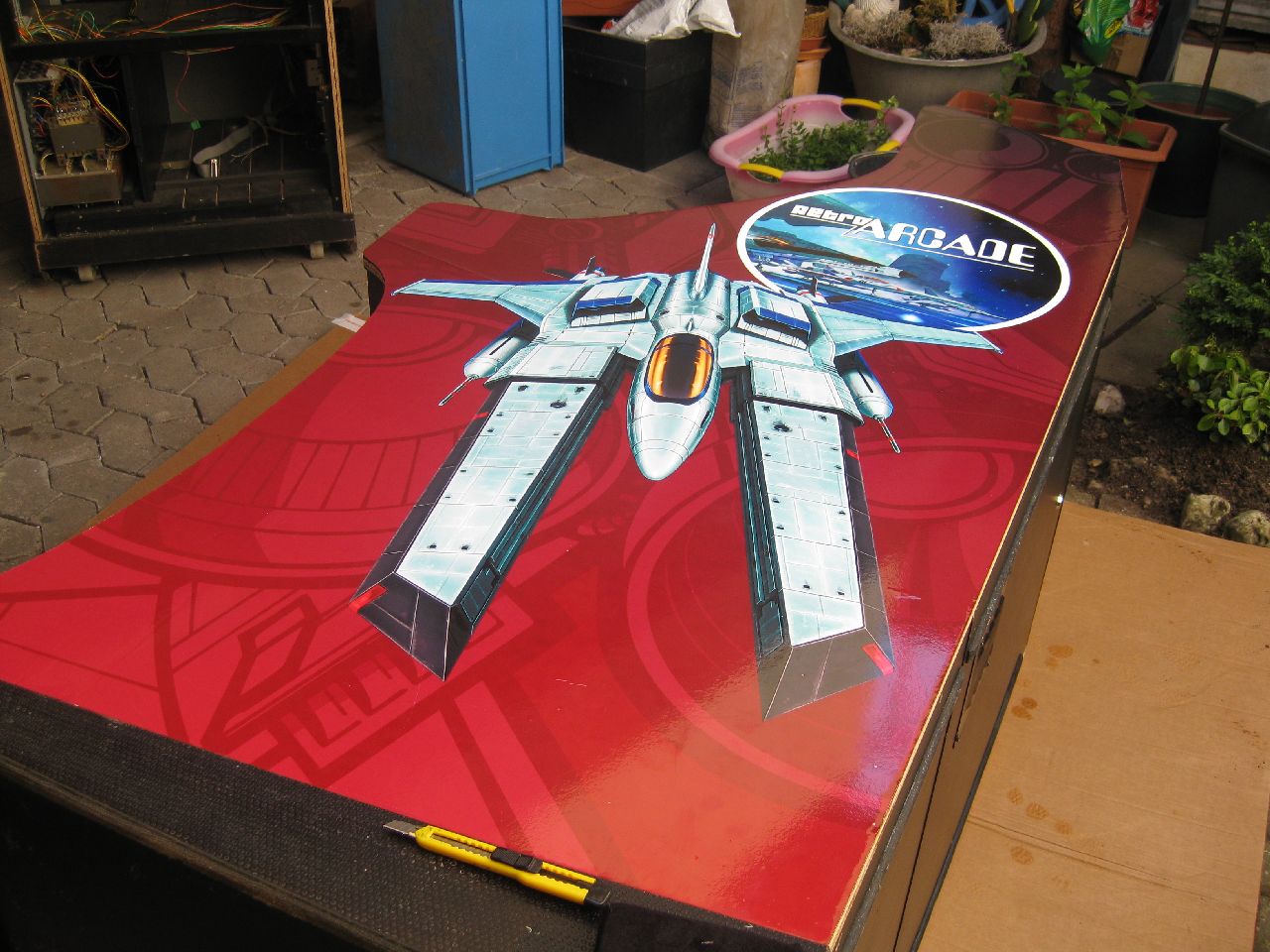
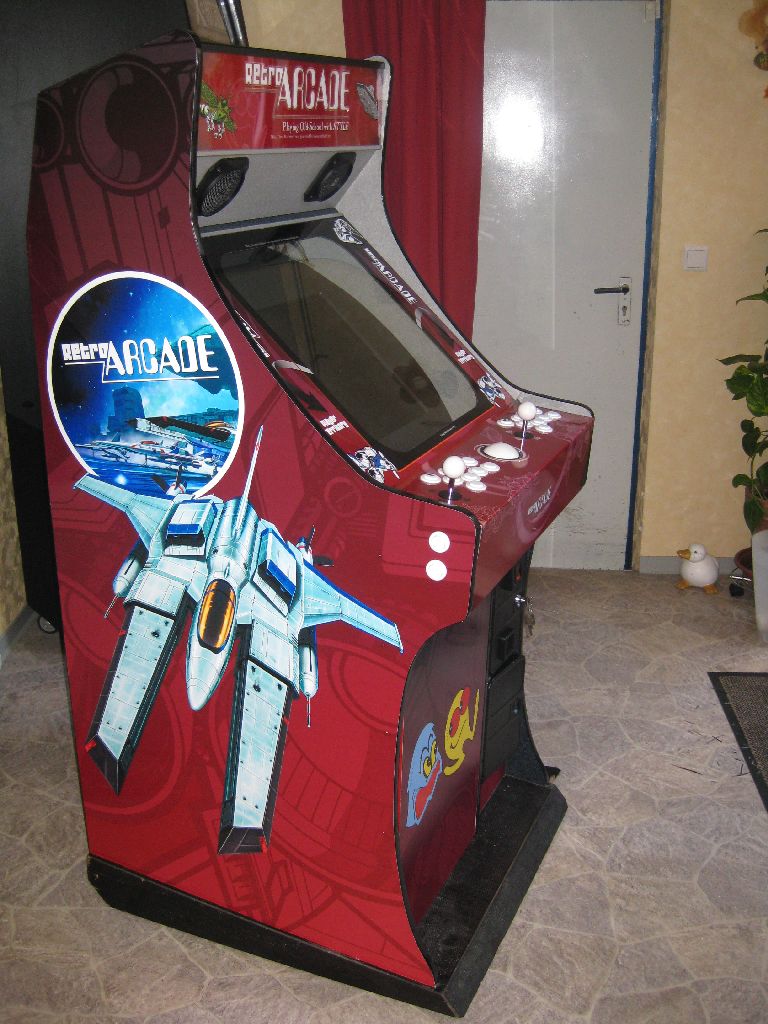
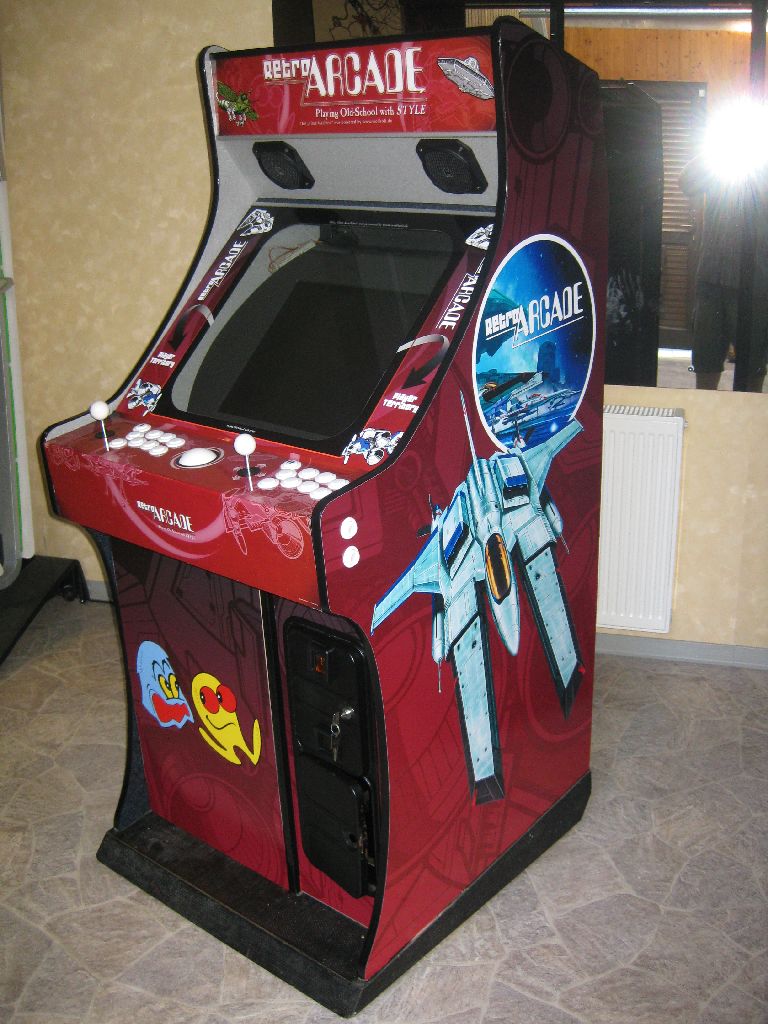
Retroarcade complete adhesive
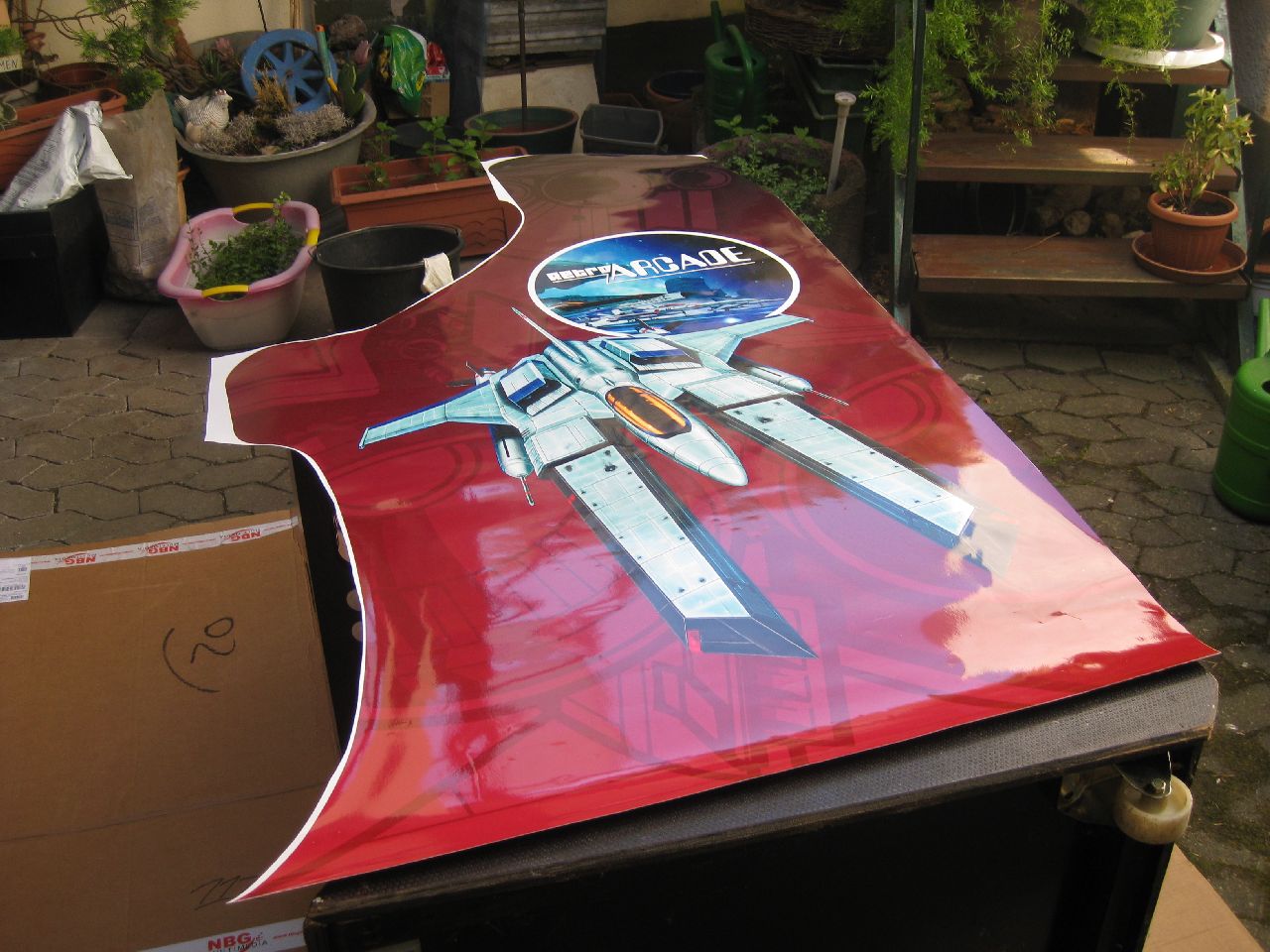
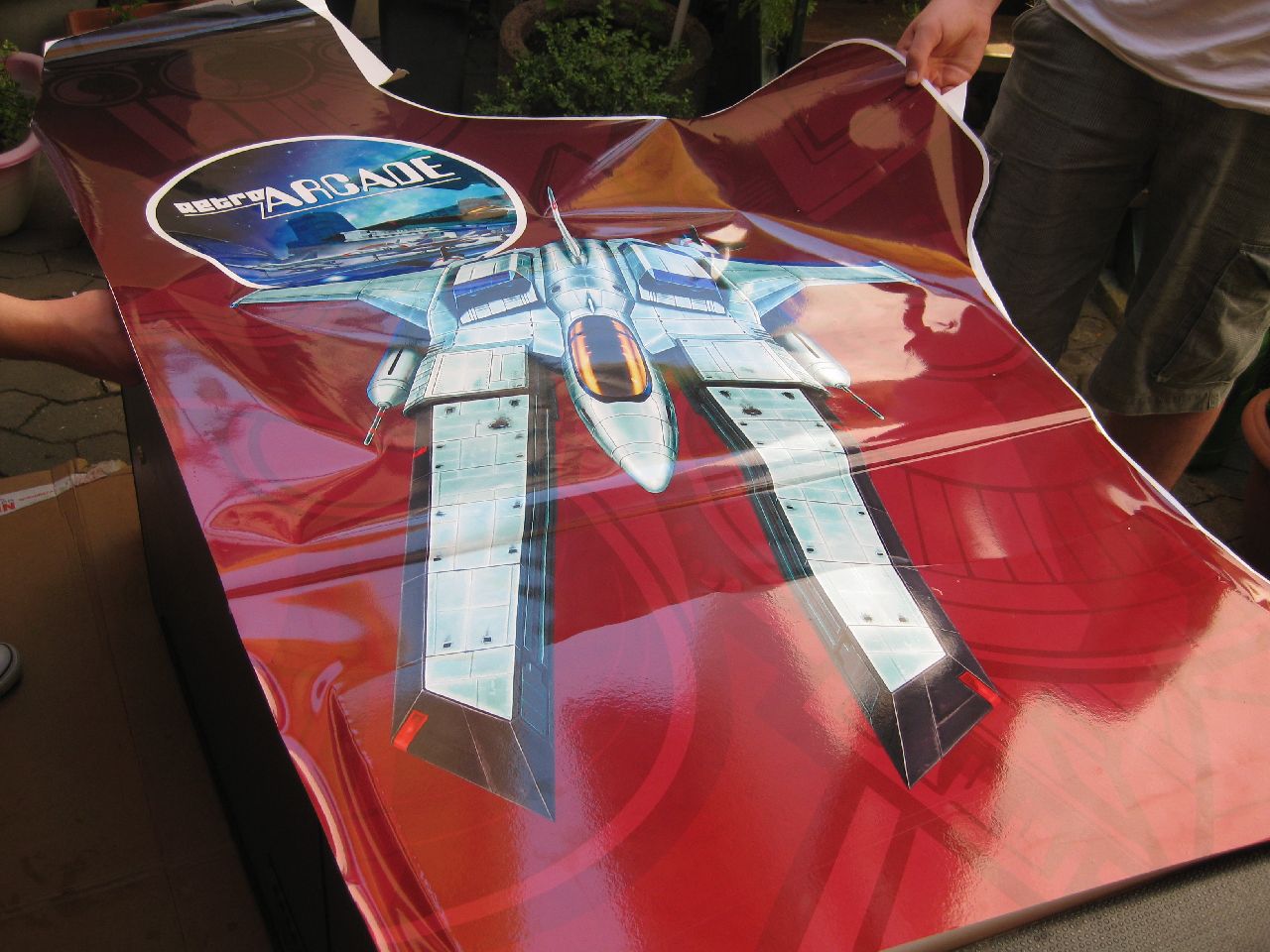
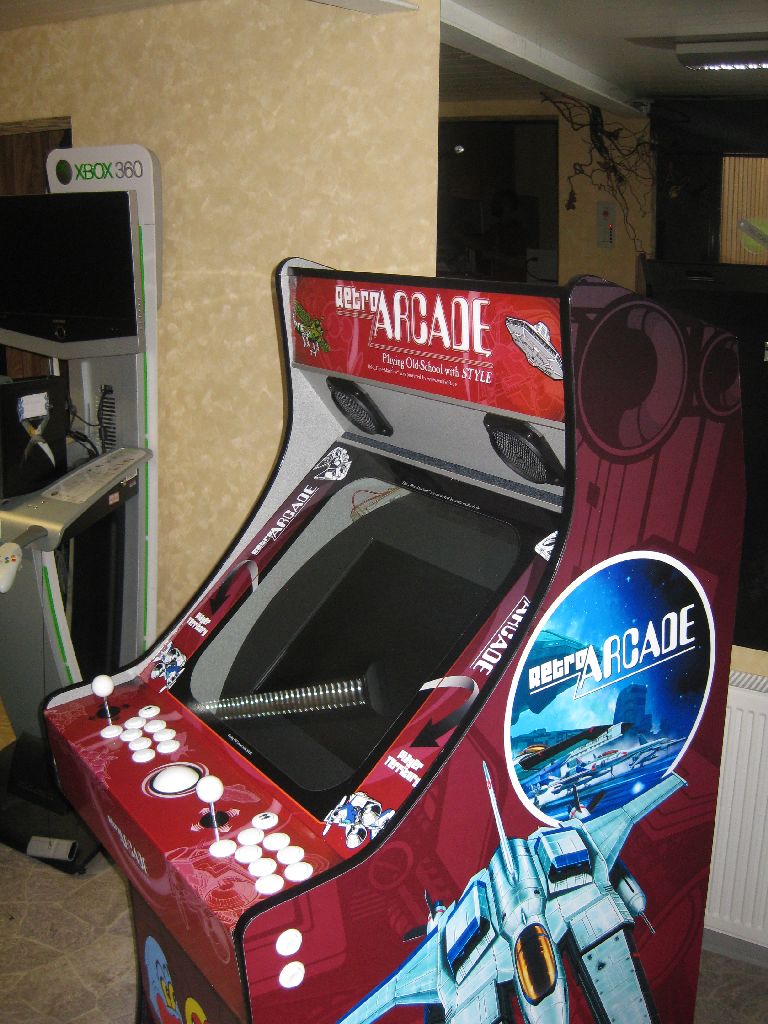
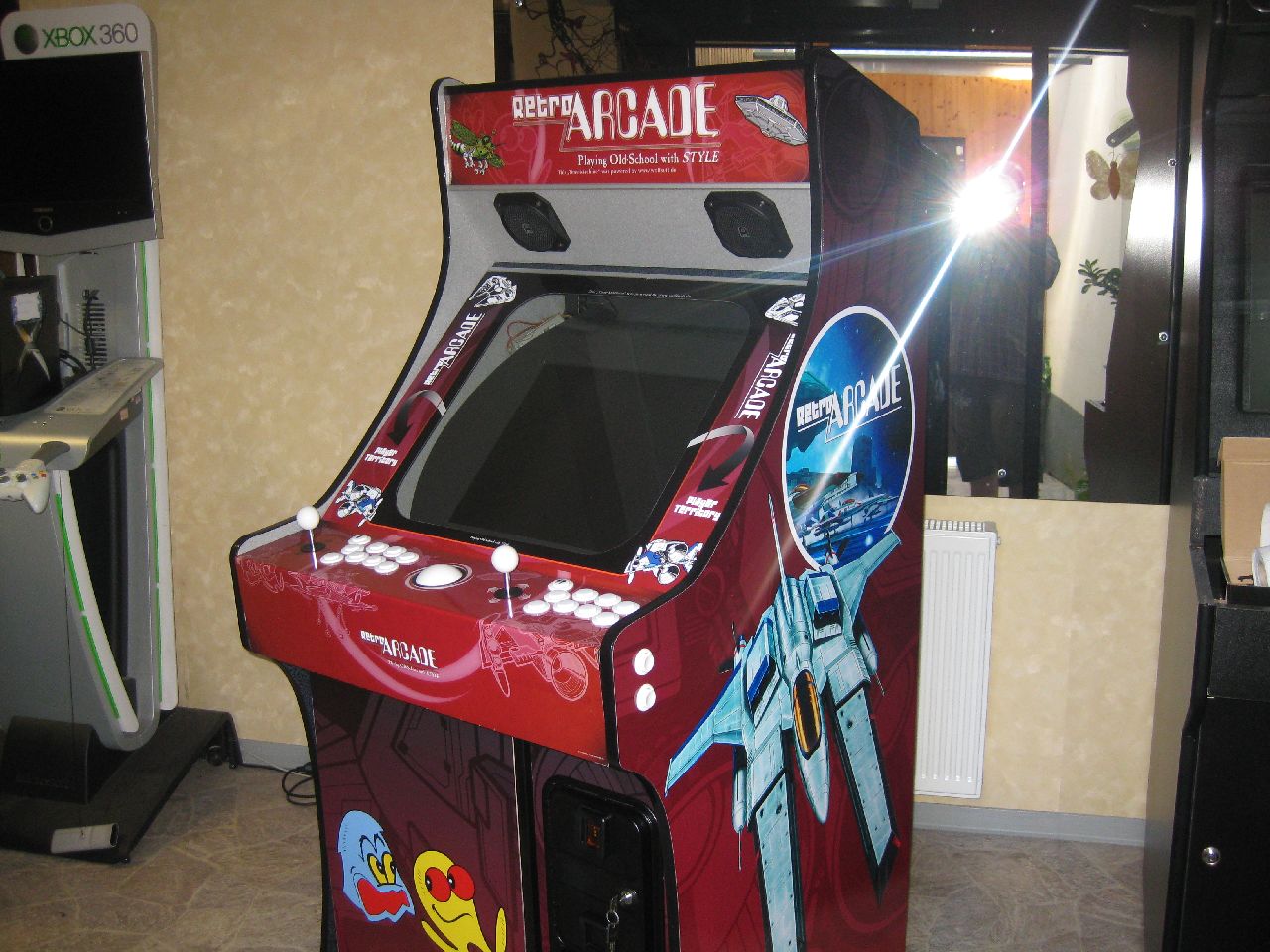
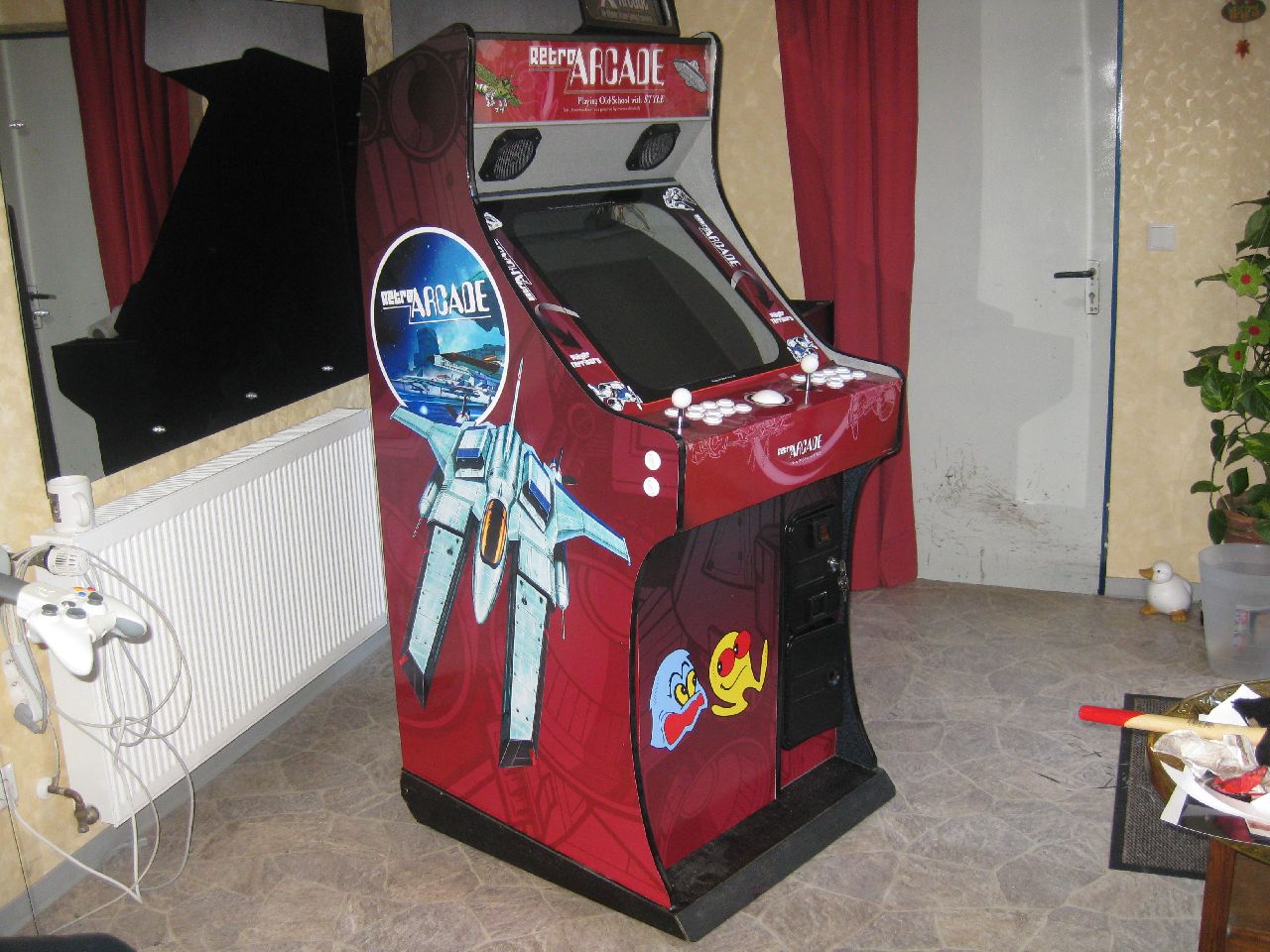
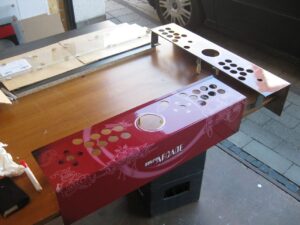
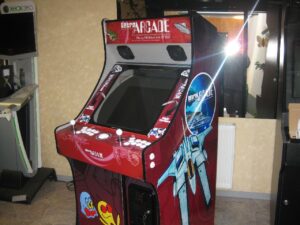
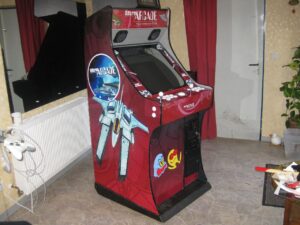
Today I finished my first Retroarcade with complete adhesive film.
Here you can see some pictures.
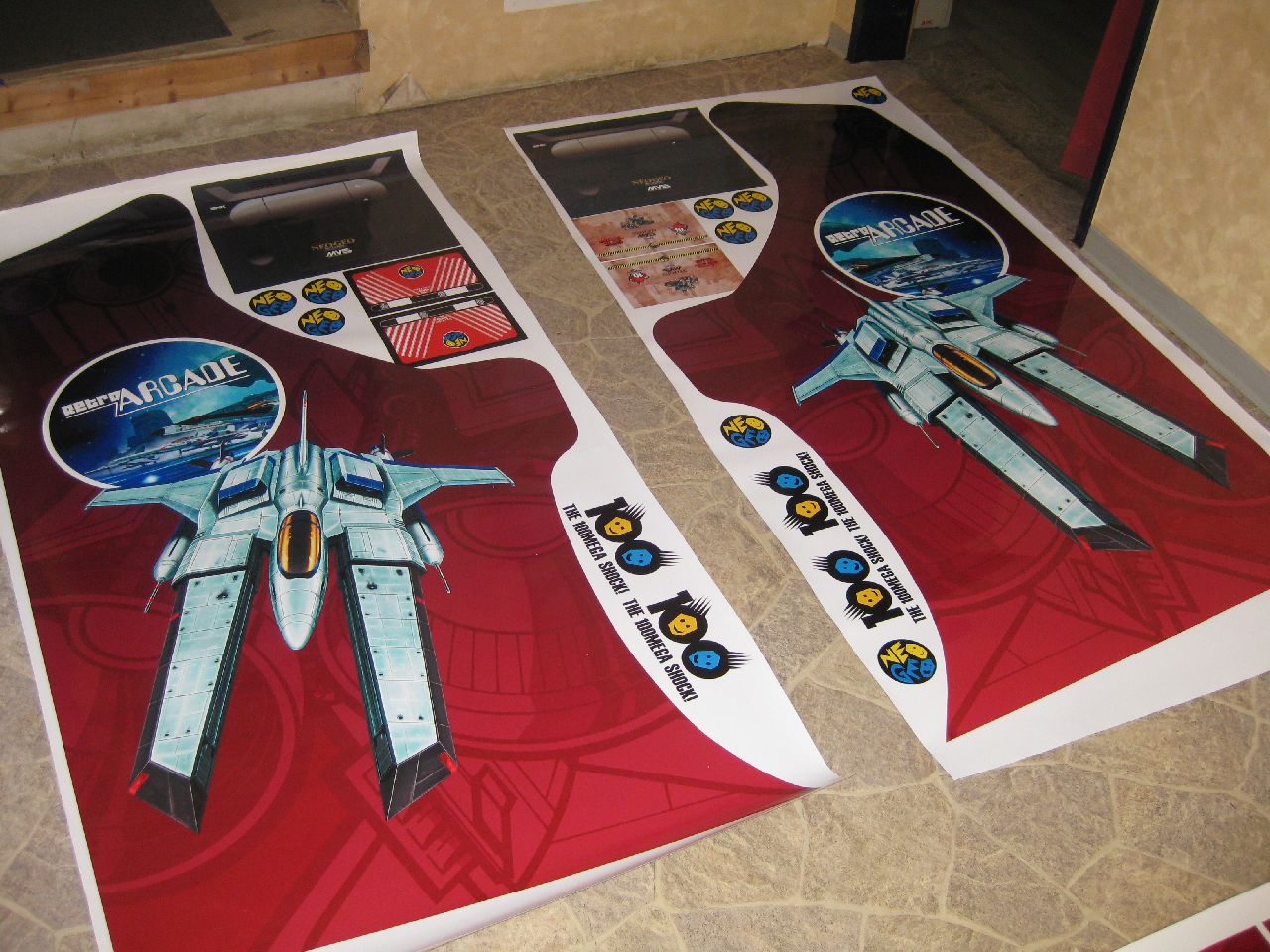
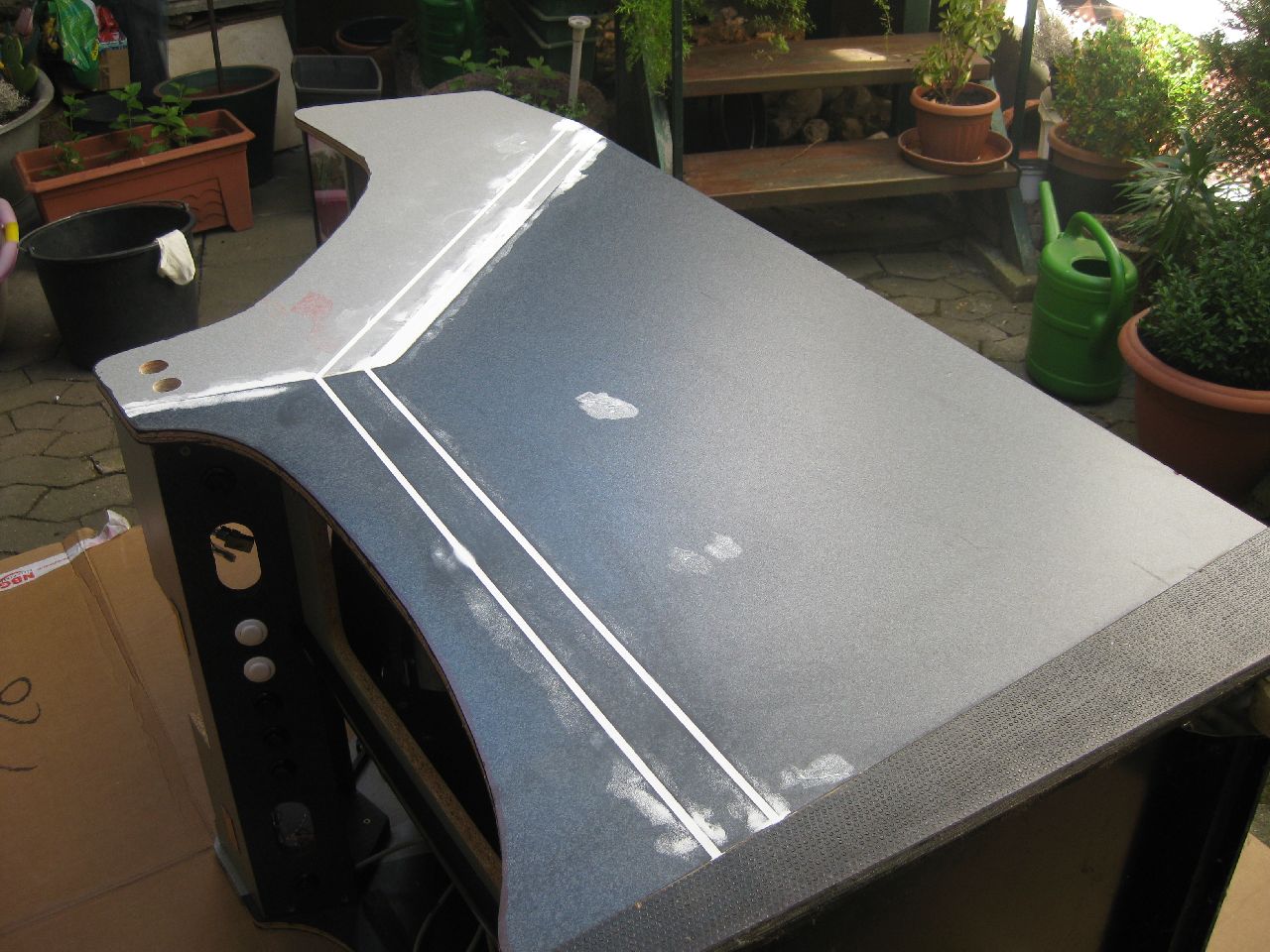
First the panels:
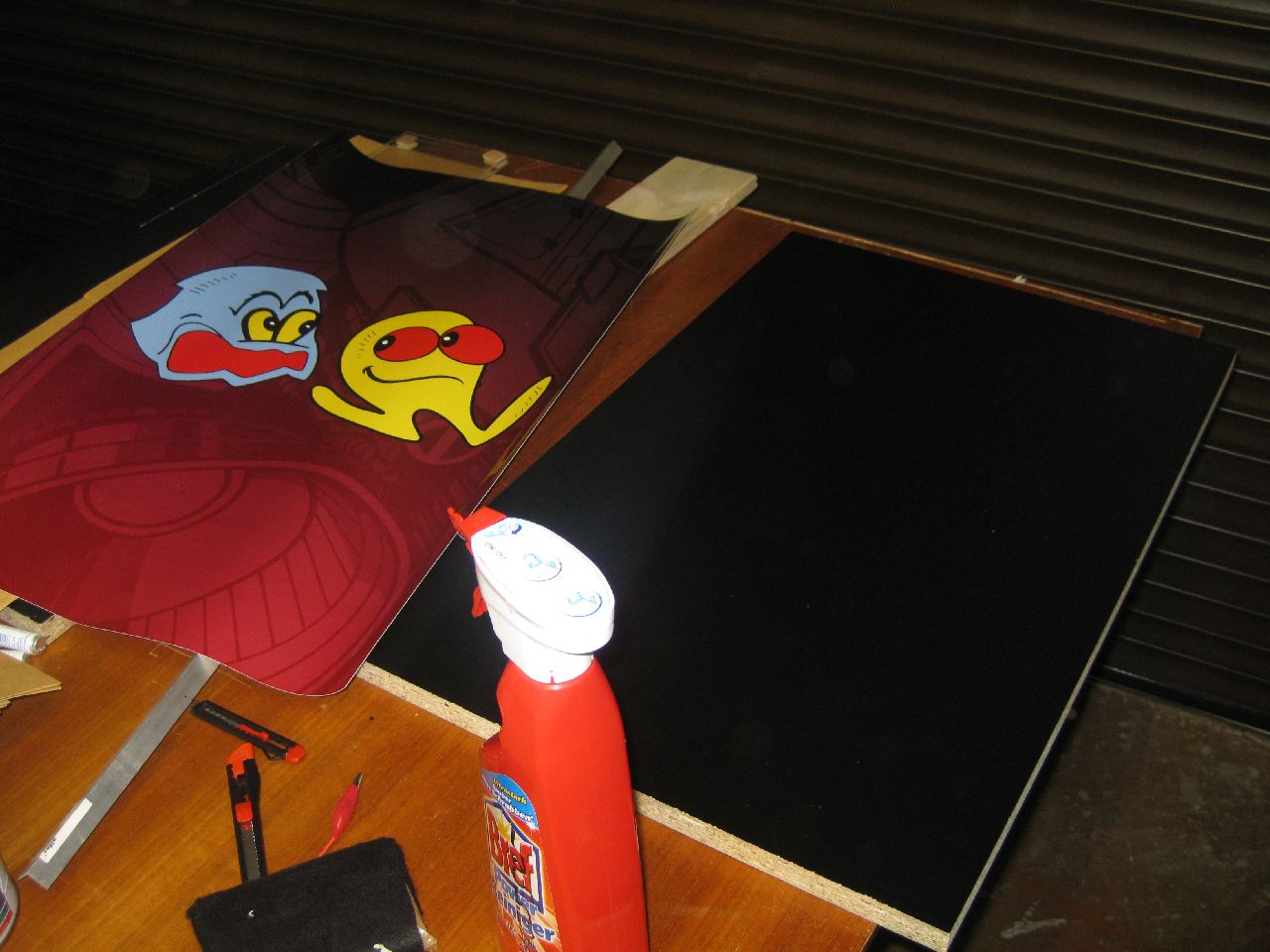
After this I tried the frontdoor
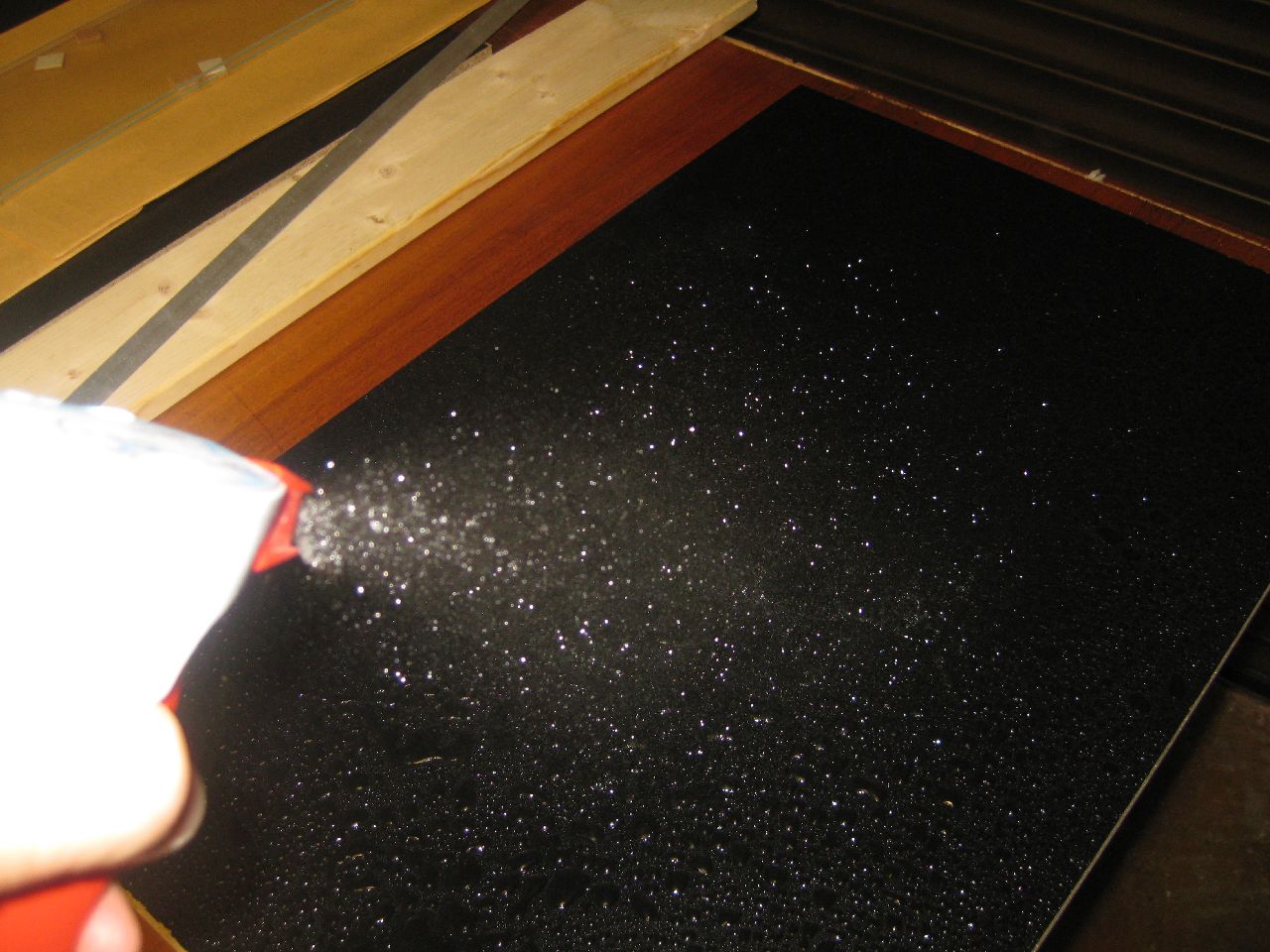
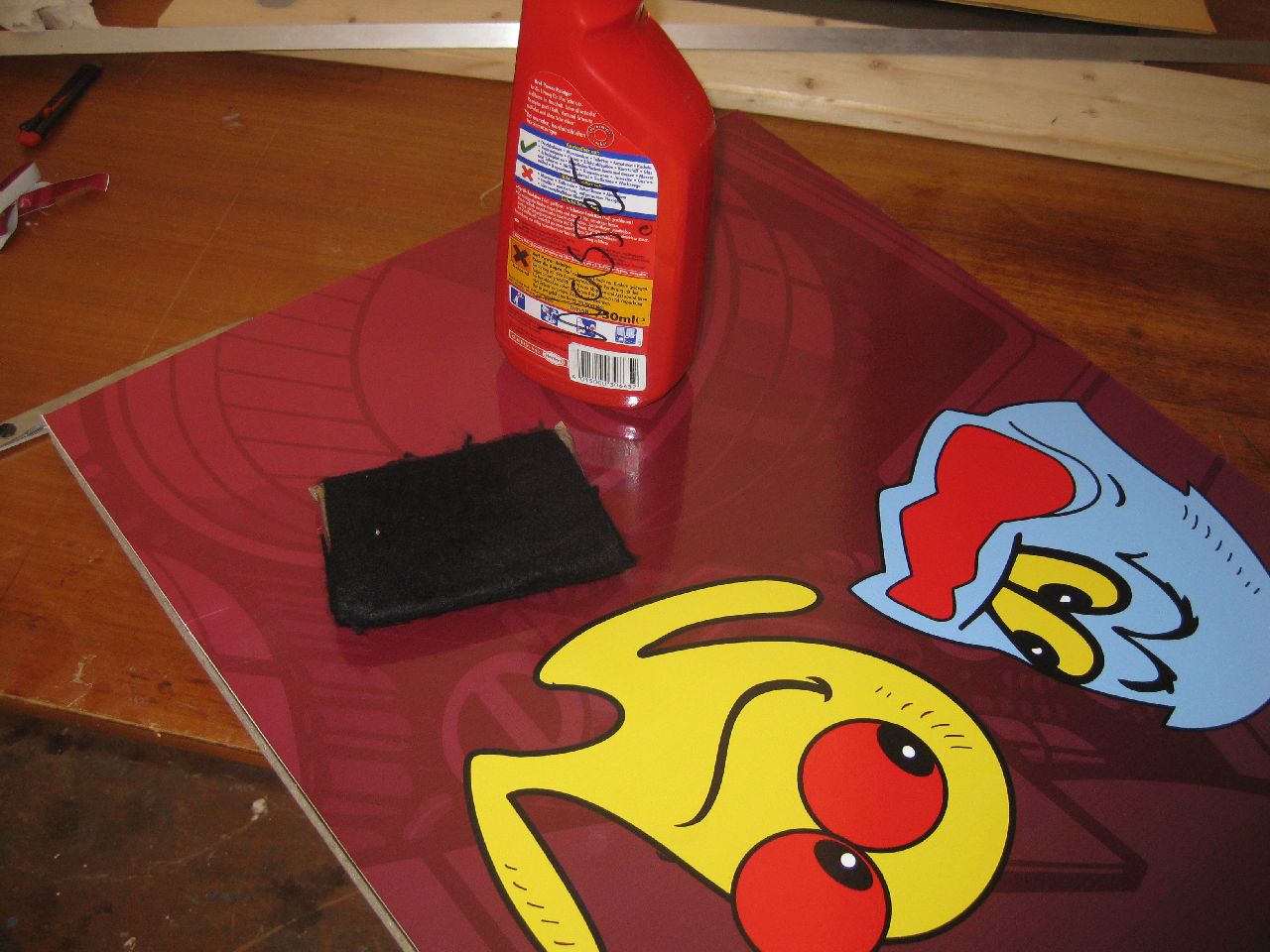
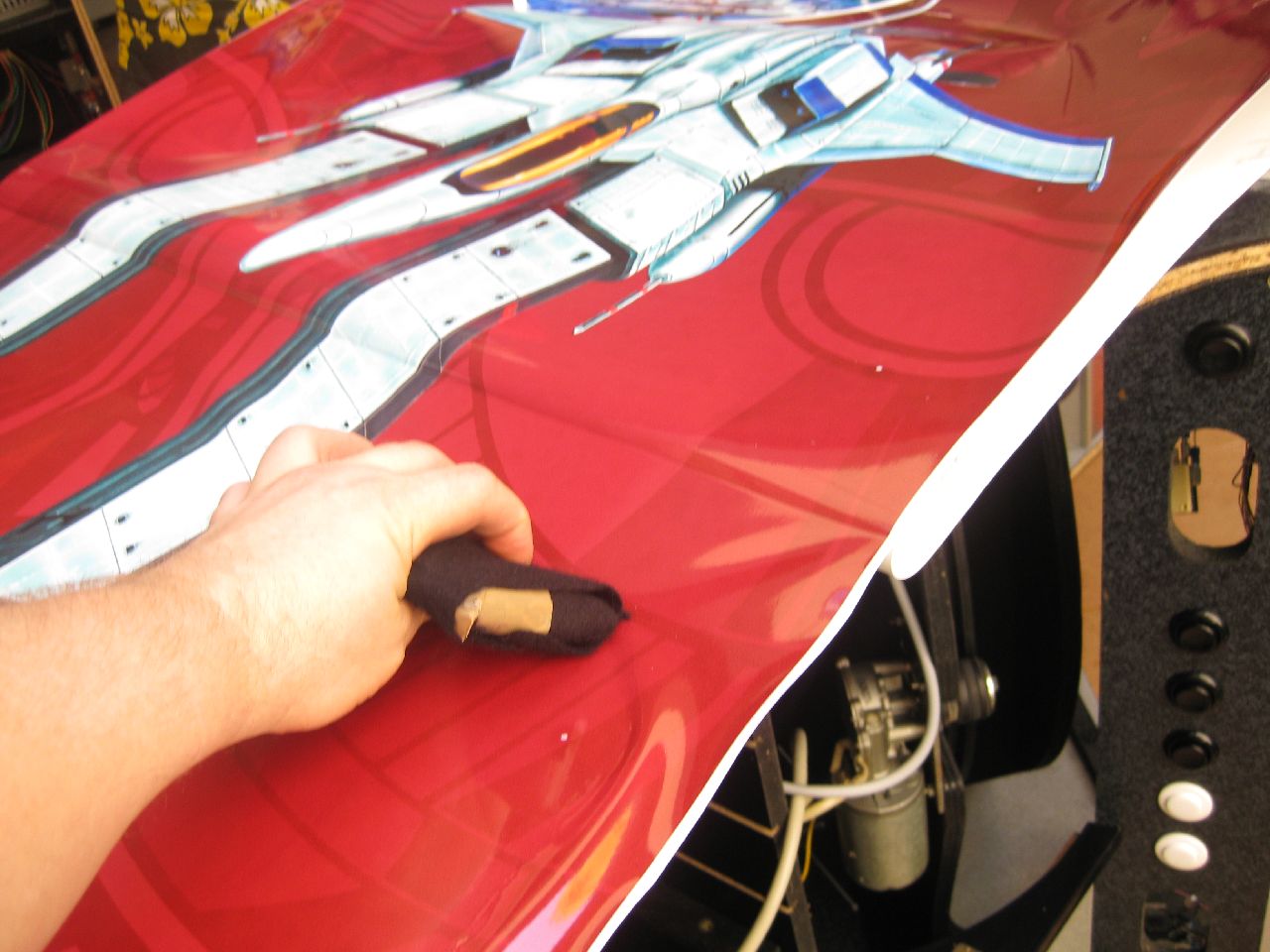
With the help of water and a scraper
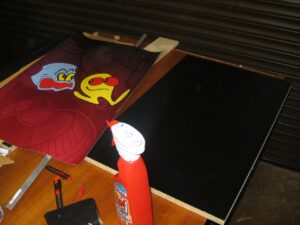
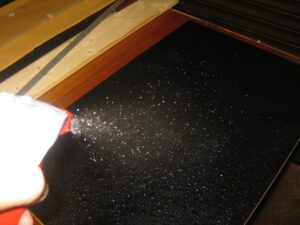
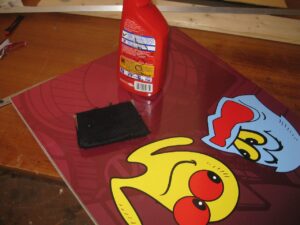
I uses a lot of water to make it easier to position the film:

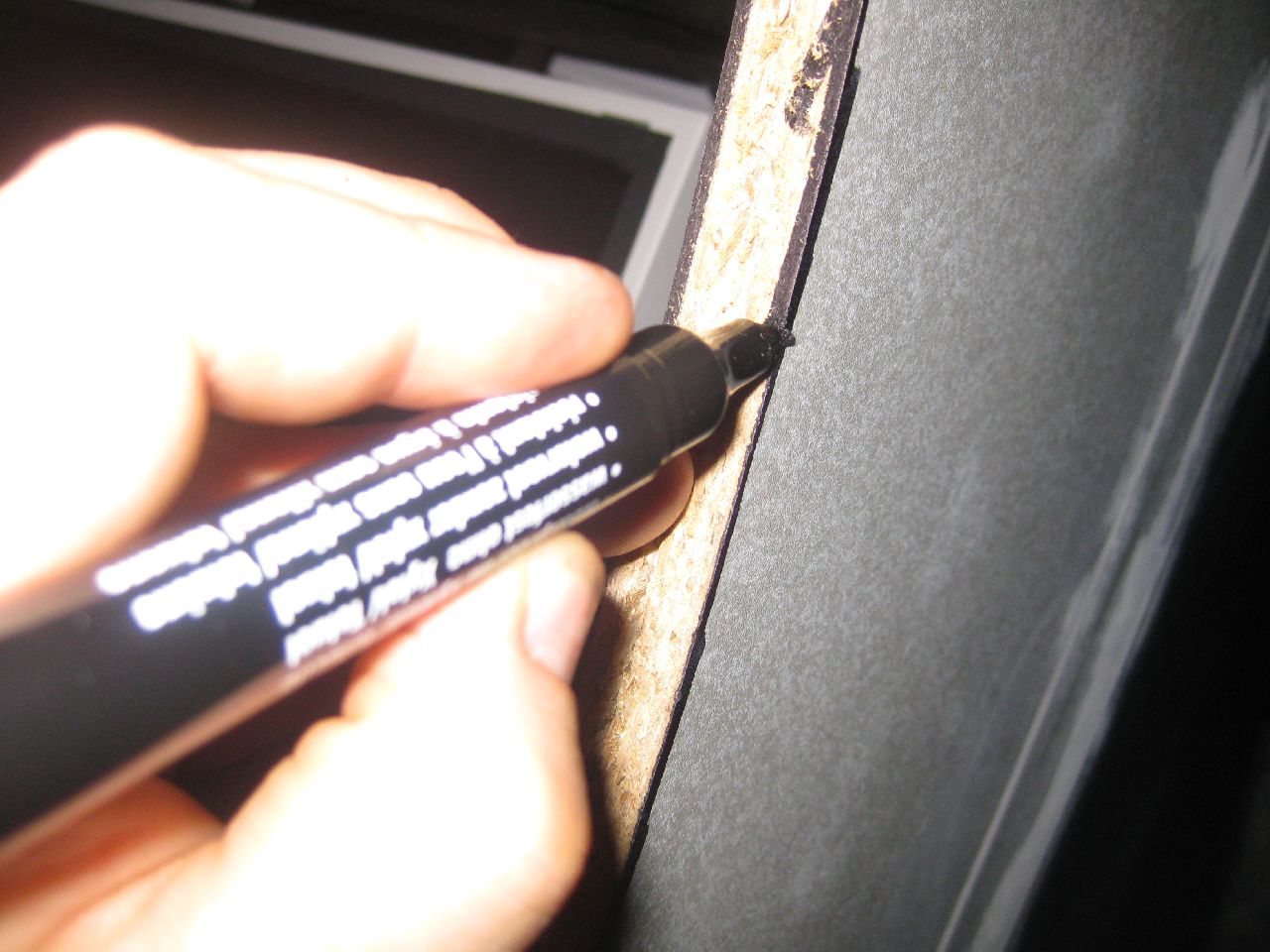
I am using a black „edding“ for the edges of the t-molding. So you didn’t see any yellow wood if the t-molding is not 100% in the middle.

The laydown of the Cabinet… after some some smooth and polish… at the cabinet site
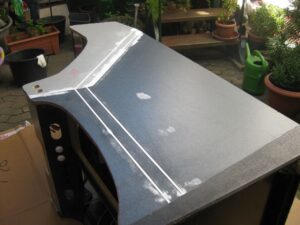
First try if the adhesive fits
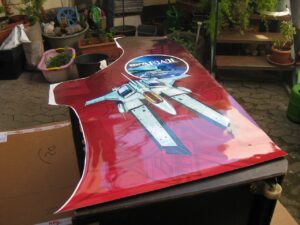
with a lot of water between the adhesive and the cabinet and the help of two men
it works great
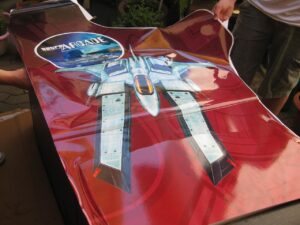
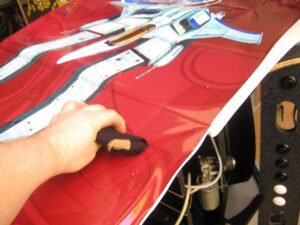
some time later
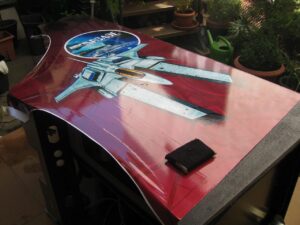
cutting the edges with a cutter knife:
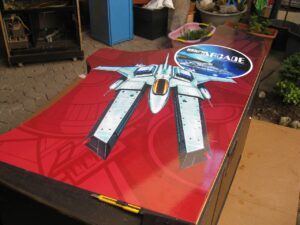
Here you can see some pictures including bezel, marquee, t-molding.. and CP without RGB-Leds..
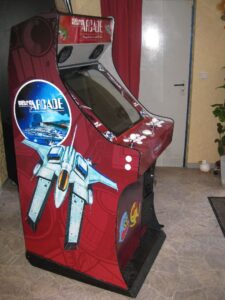
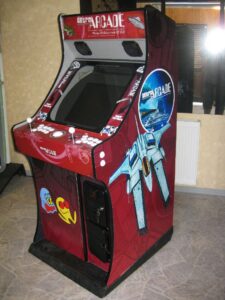
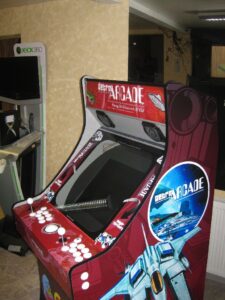
-
Making of Snow-White and the seven Shockers…
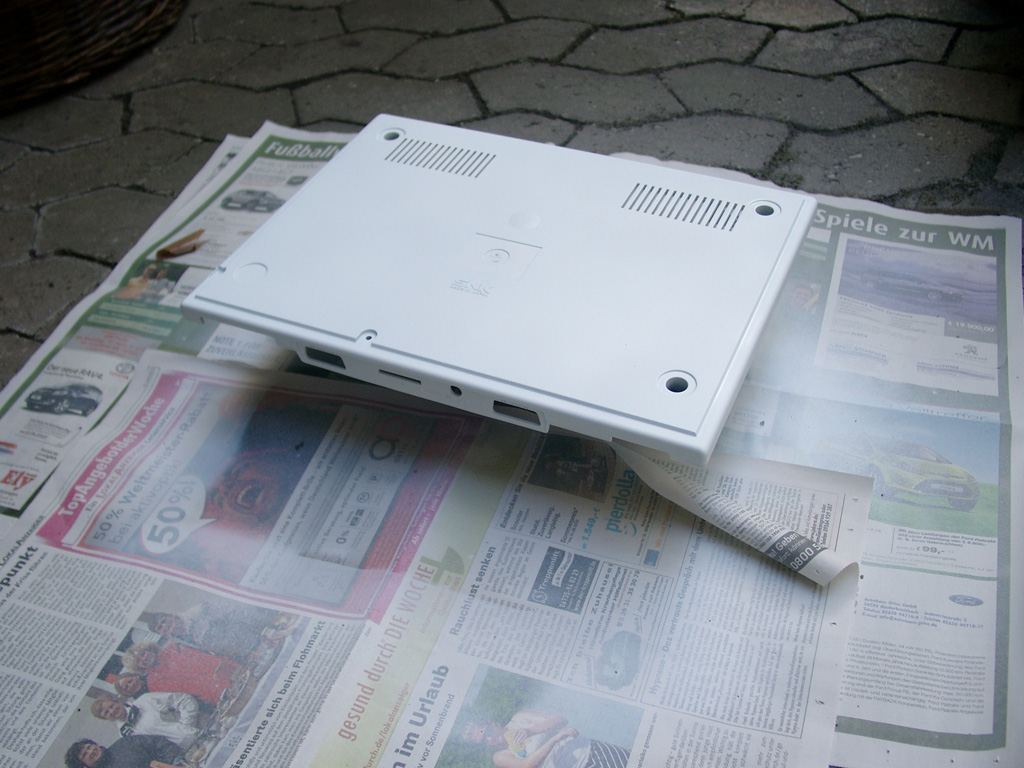
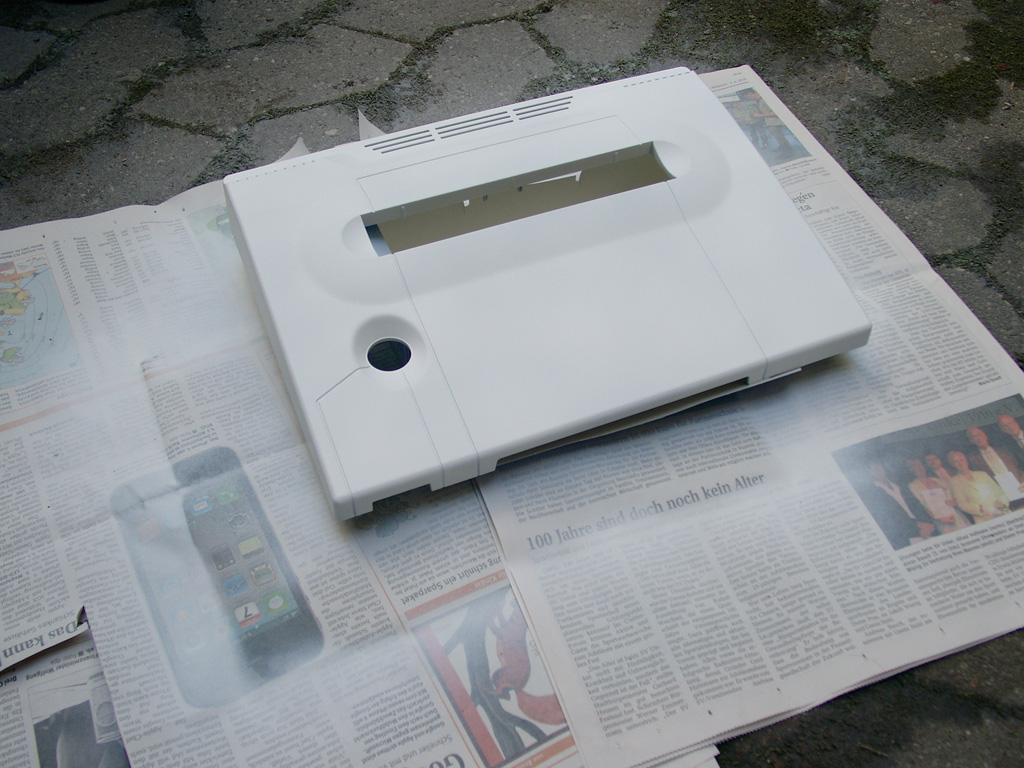
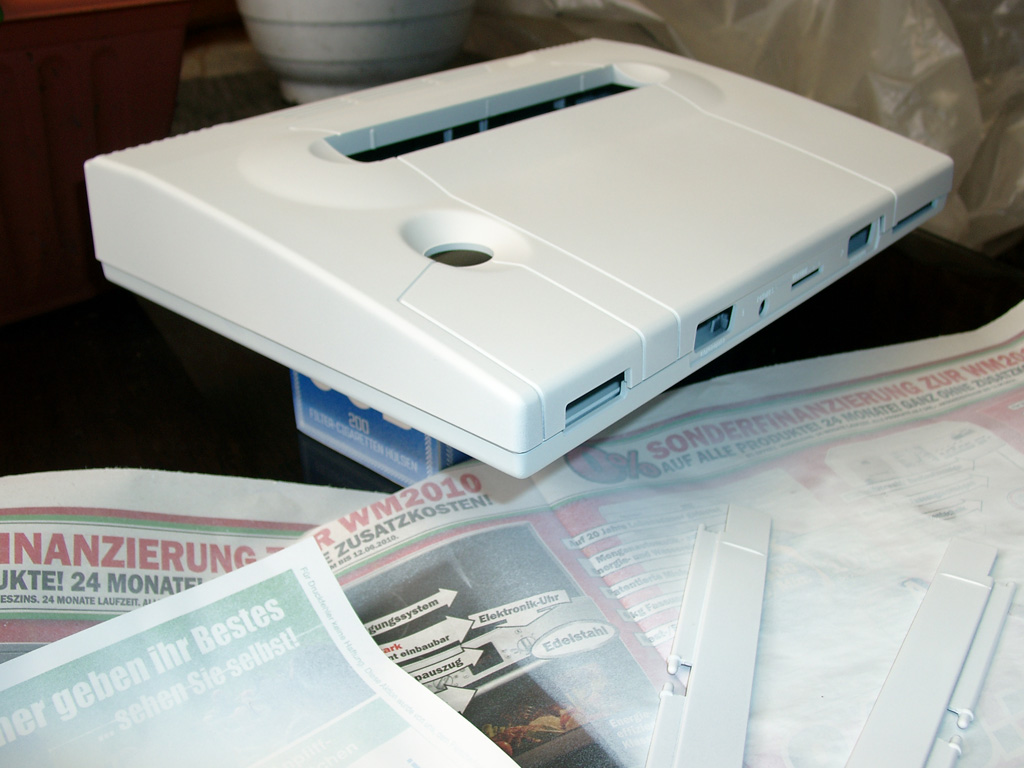
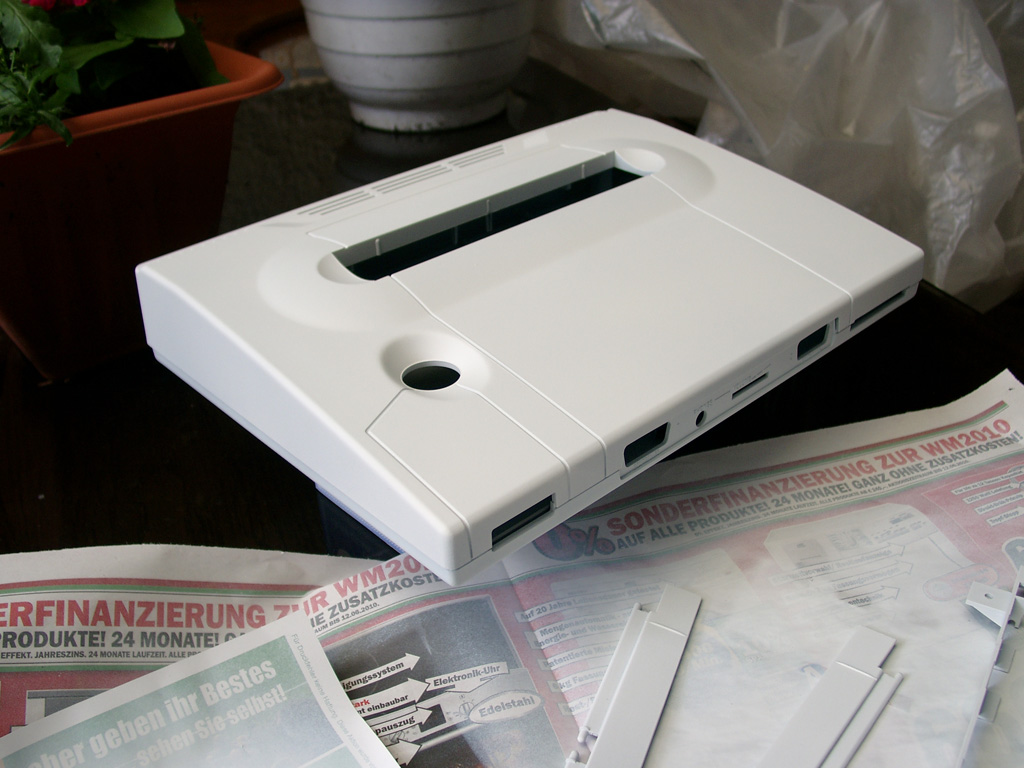
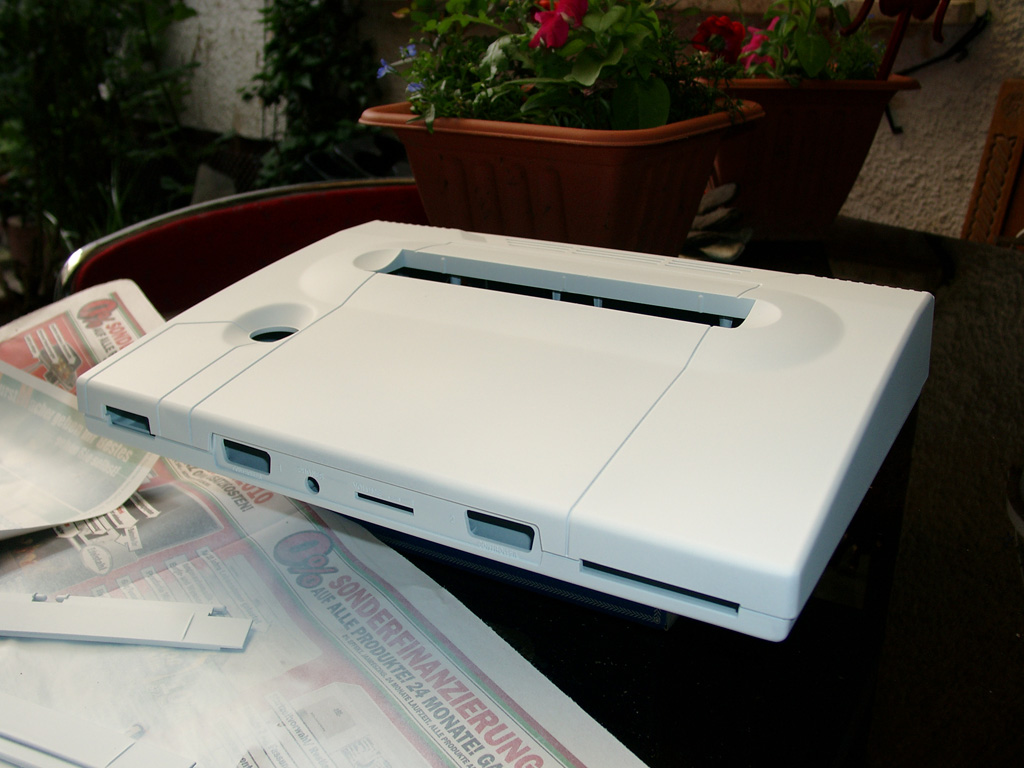
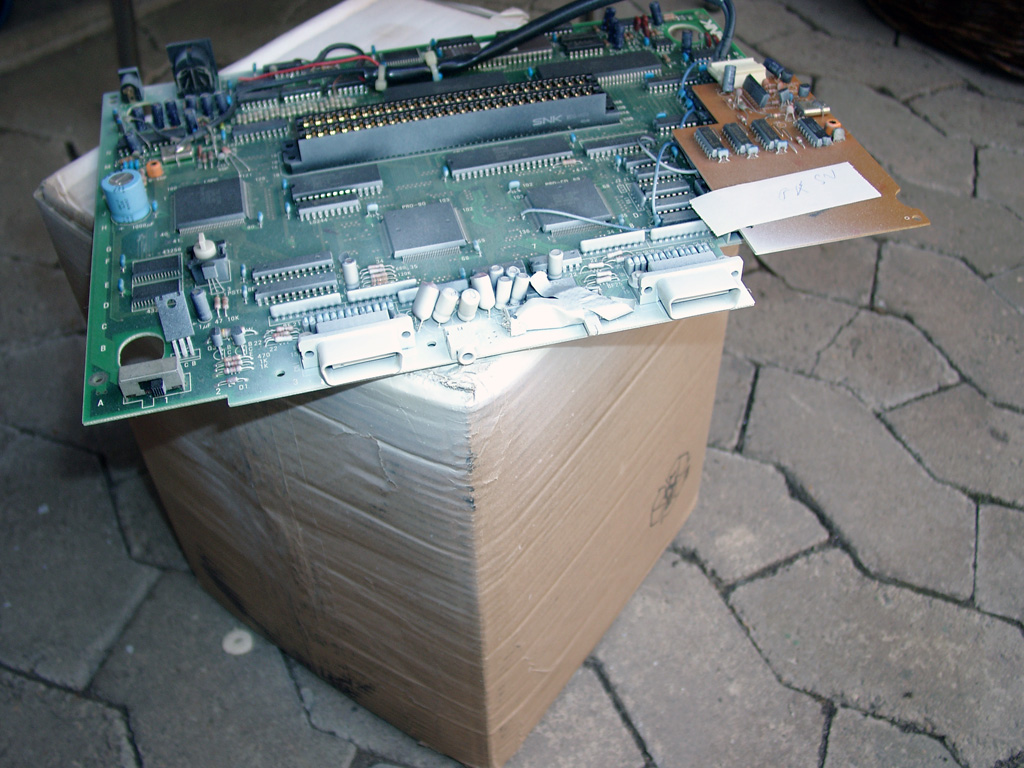
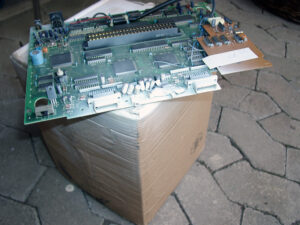
I found some NeoGeo Cases here and cleaned them up with the help of my dishwasher.
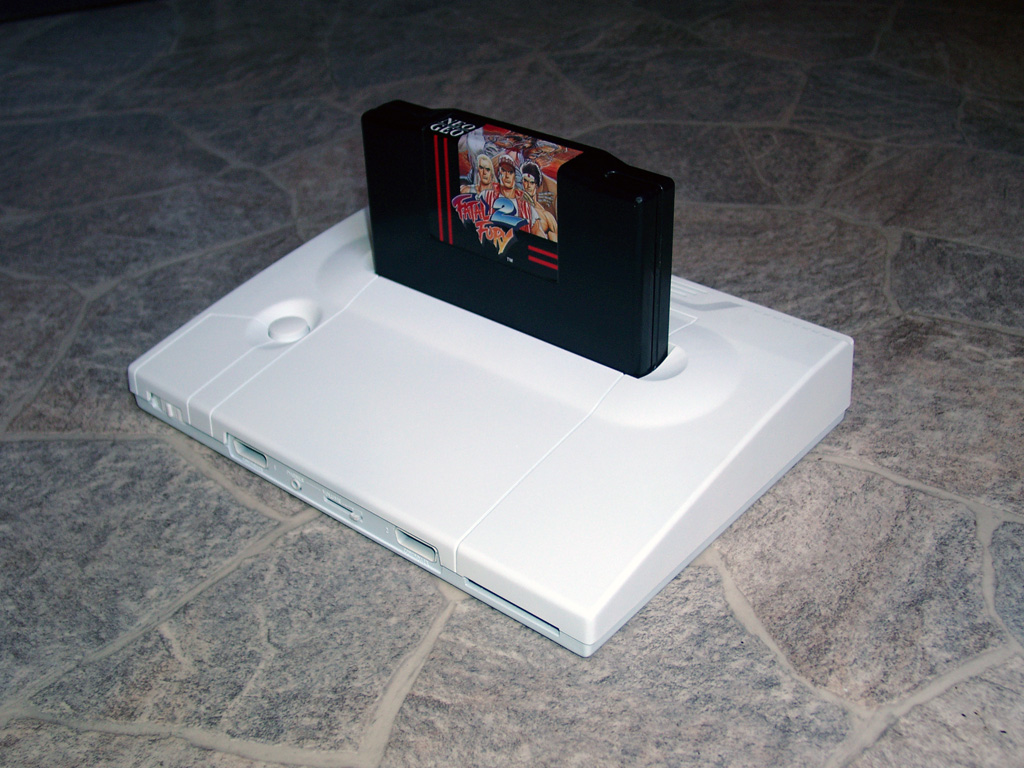
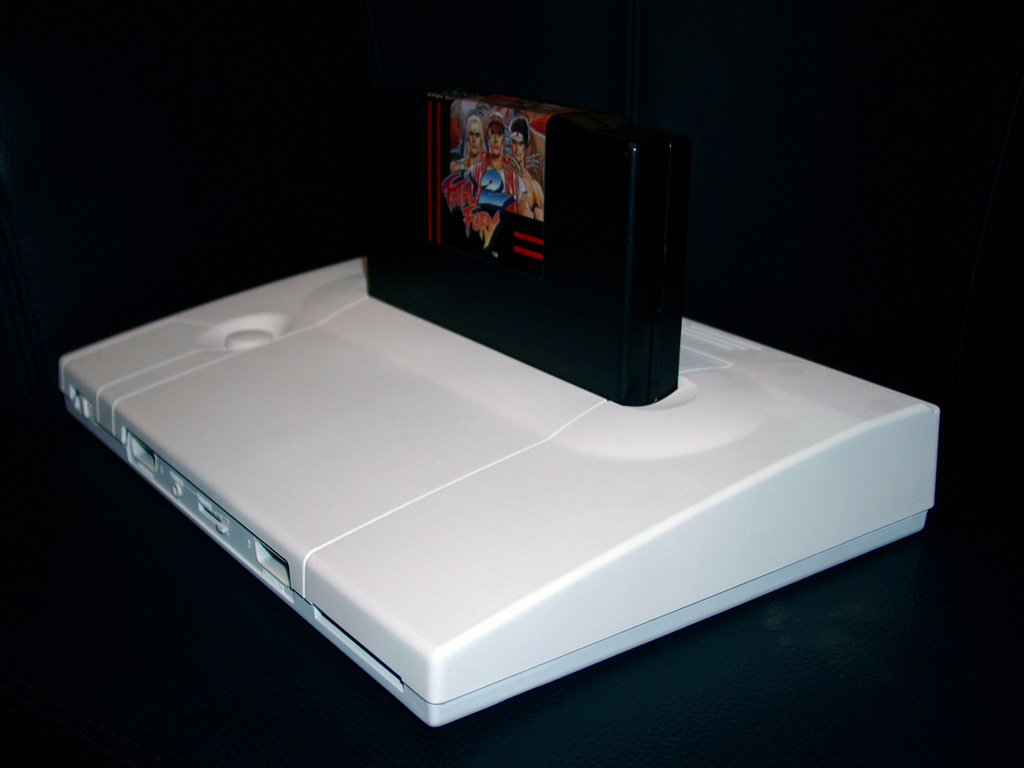
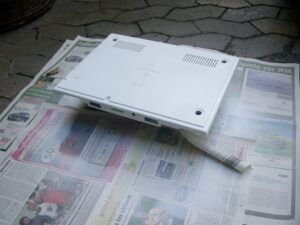
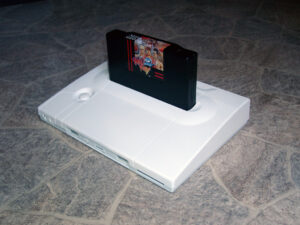
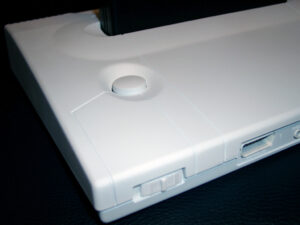
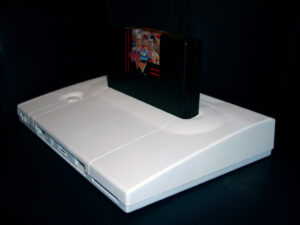
They have a lot of scratches and as I am not a friend of black – I prefer WHITE – like the great PC-Engine one of my favorite Consoles. I make use of white spray on a good old NeoGeo AES.
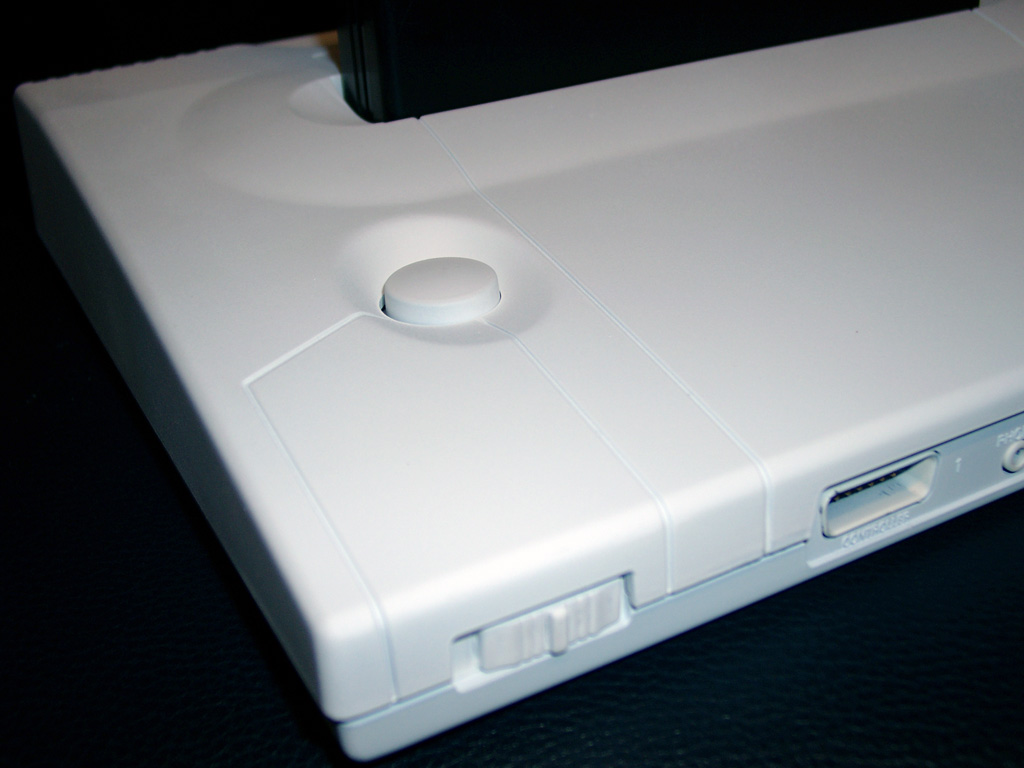
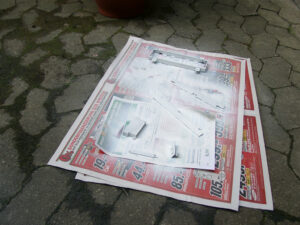
After some spraying it looks like this:
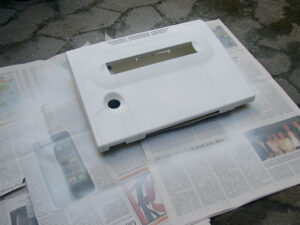
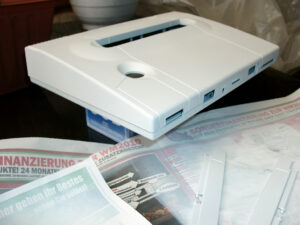
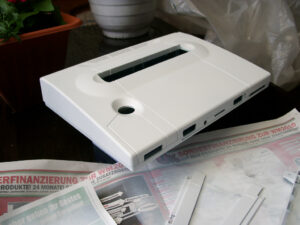
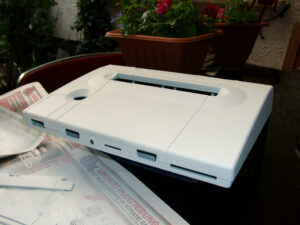
more pictures:
-
SNES CIC switchless Mod at a USA/japanese SNES
Thanks to Maximilian Rehkopf alias ikari_01 we can proudly present a new switchless Mod for the SNES.
Today I am using a japanese SNES. It works with a USA SNES too. It has the same layout.
Here you can find more information:
http://www.circuit-board.de/forum/viewtopic.php?f=21&t=1896&start=63 (german)
http://nesdev.parodius.com/bbs/viewtopic.php?p=61236#61236 (english)
The mod is using a PIC 16F630 with the following code: supercic
There are two ways to get the new CIC working.
a) with original CIC still onboard
To get the supercic working you have to lift the following pins of the original CIC.
Pin 1,2,10 and 11
b) removing the original CIC and add a 10k from Pin 8 to GND.
I will make use of way b) here:
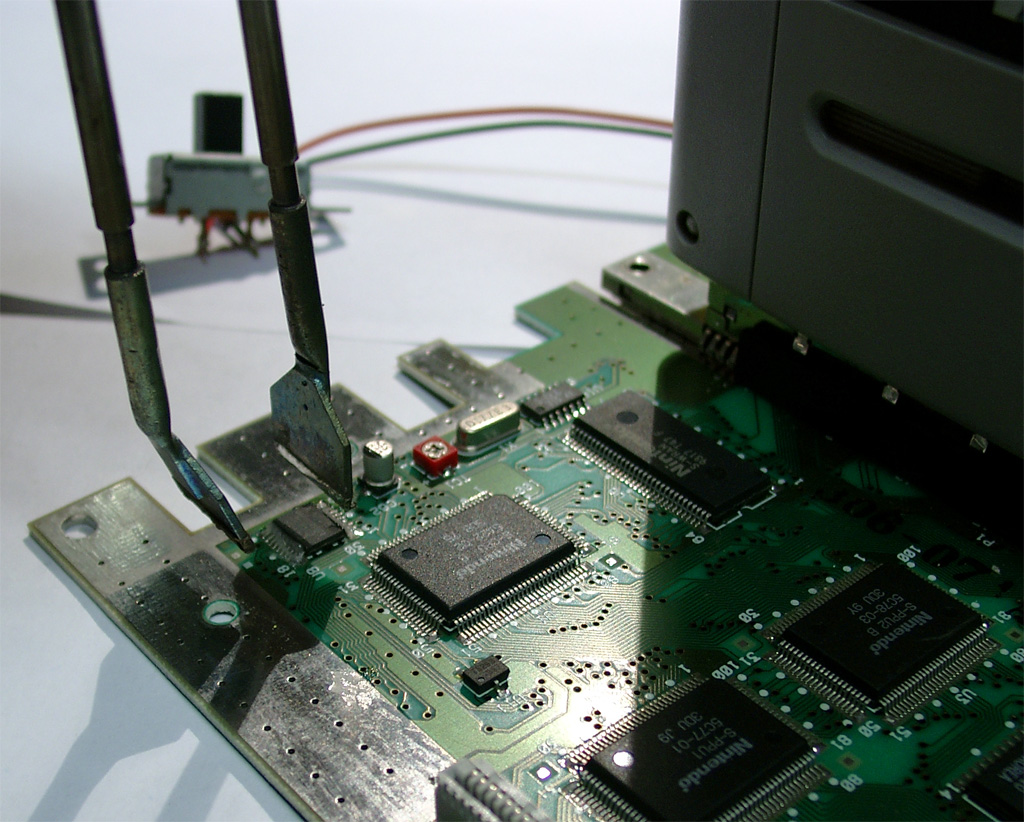
Remove the original CIC (here you can see some pictures of a PAL SNES.
Its the same at the japanese/USA SNES.
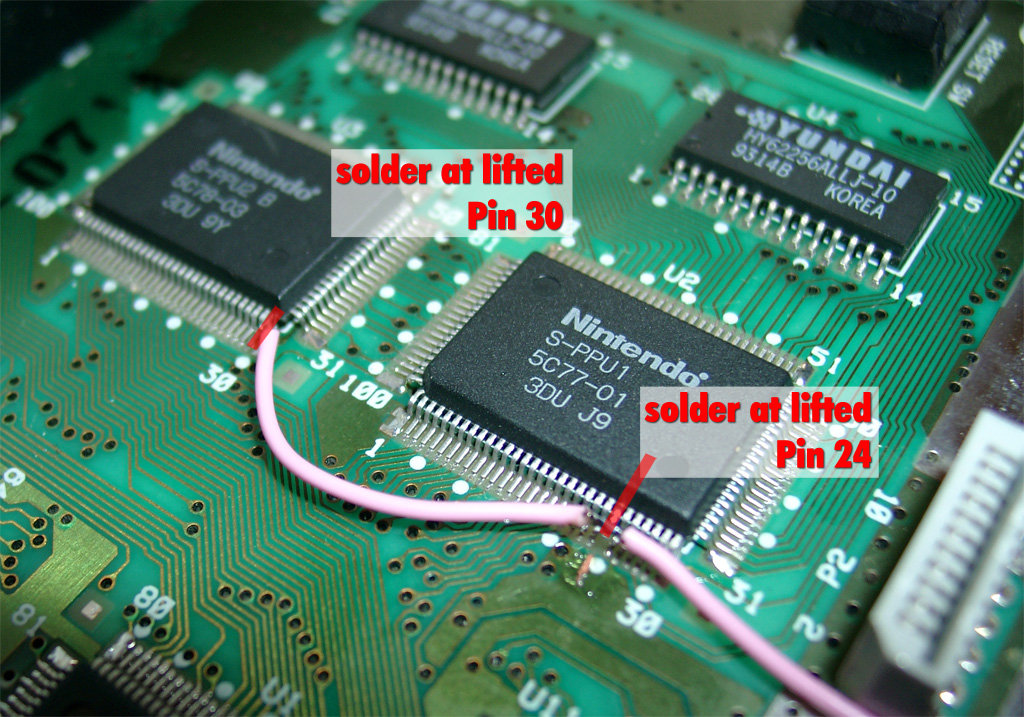
The usual 50/60Hz Pins:
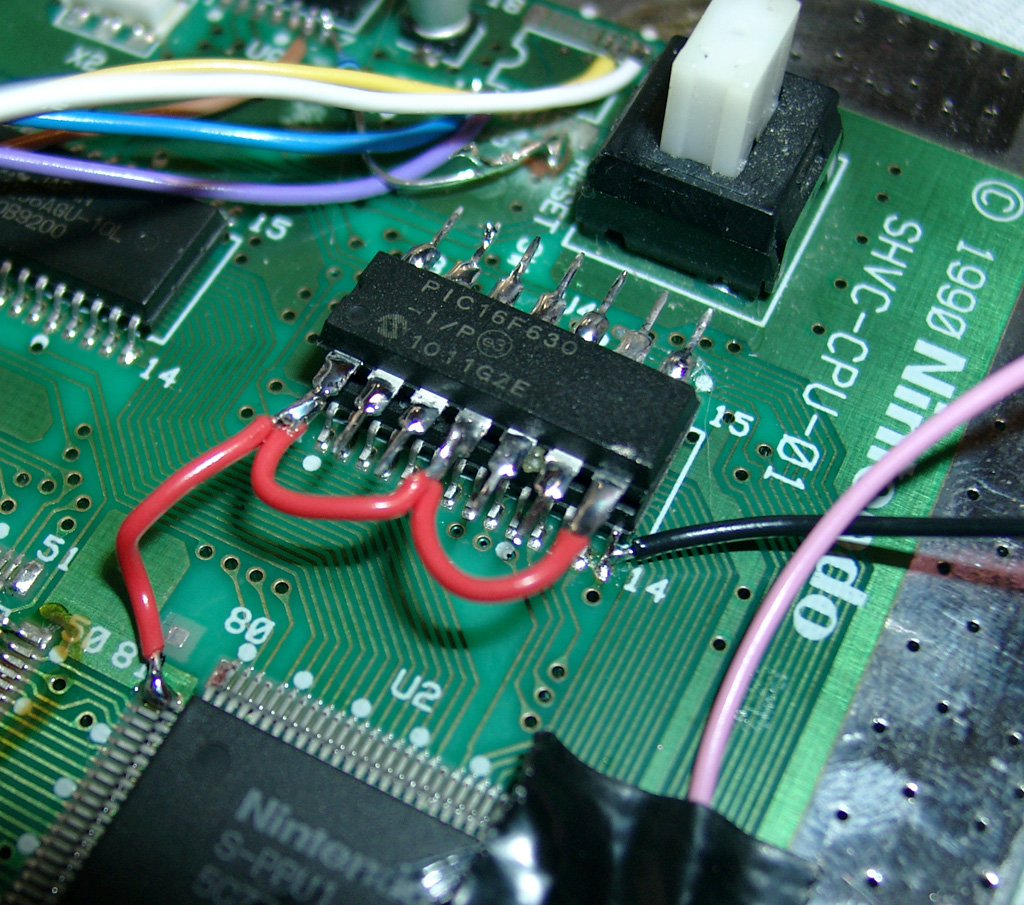
You have to lift PPU2 Pin 30 and lift PPU1 Pin 24 and wire it together to Pin 12 @Pic12f630.
The Console is set to 60Hz if you set both Pins to GND
The Console is set to 50Hz if you set both Pins to 5V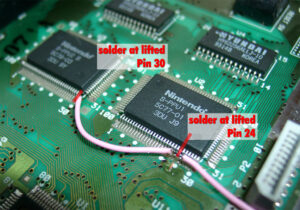
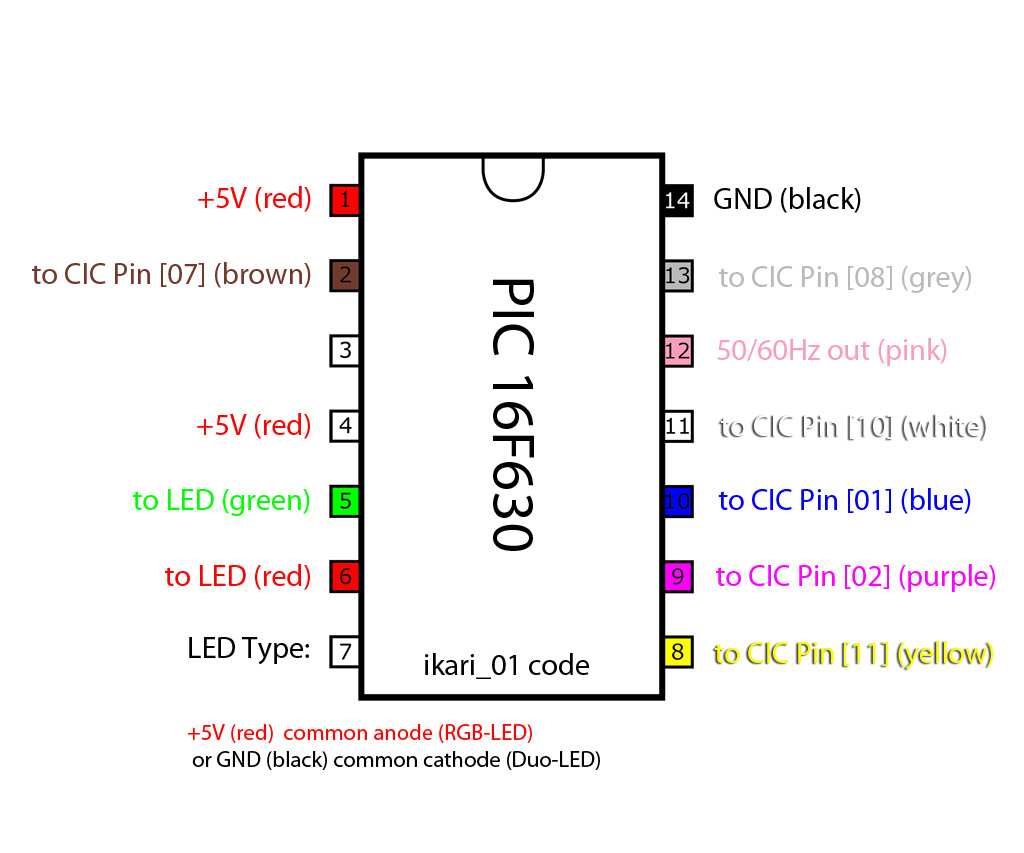
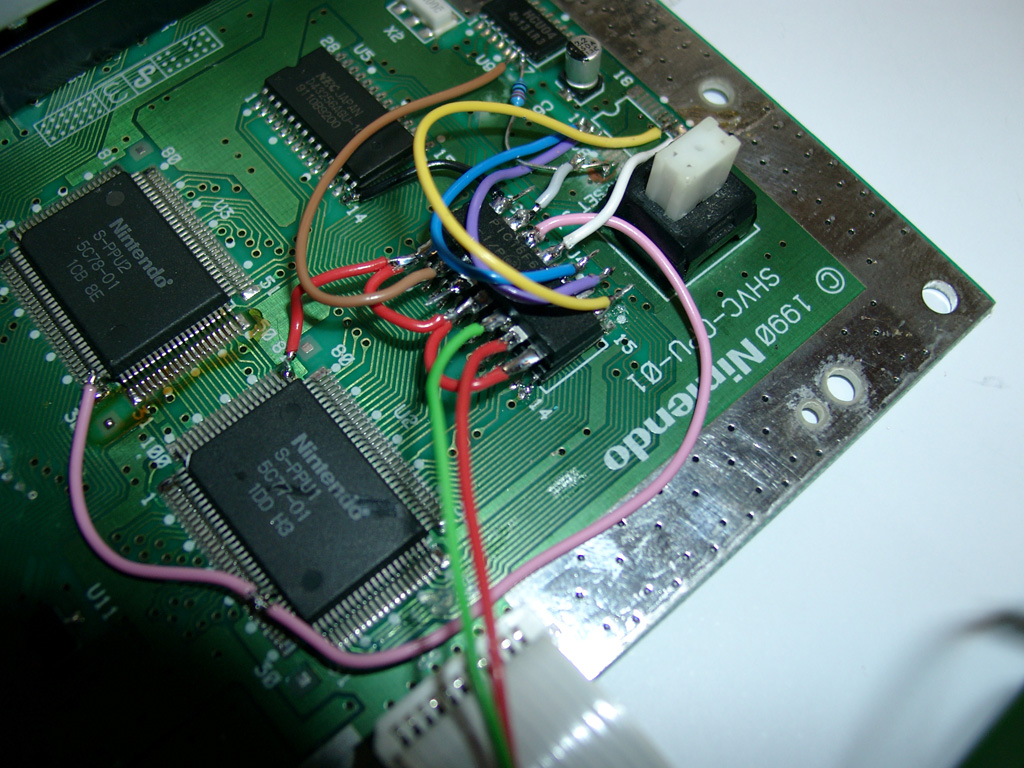
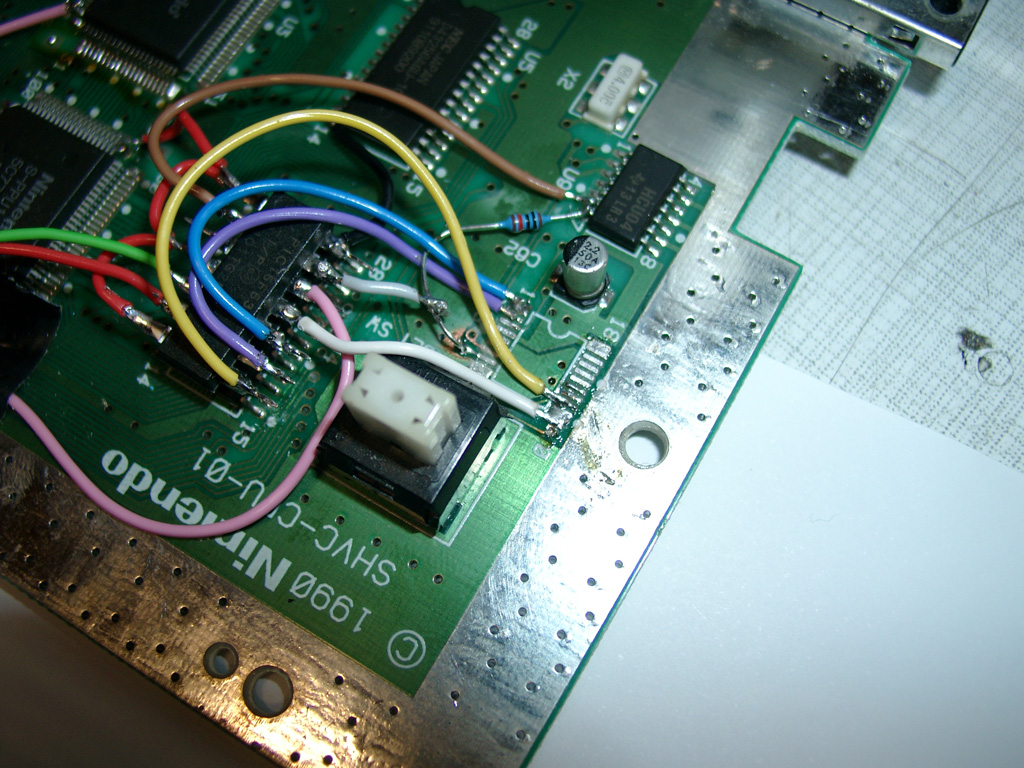
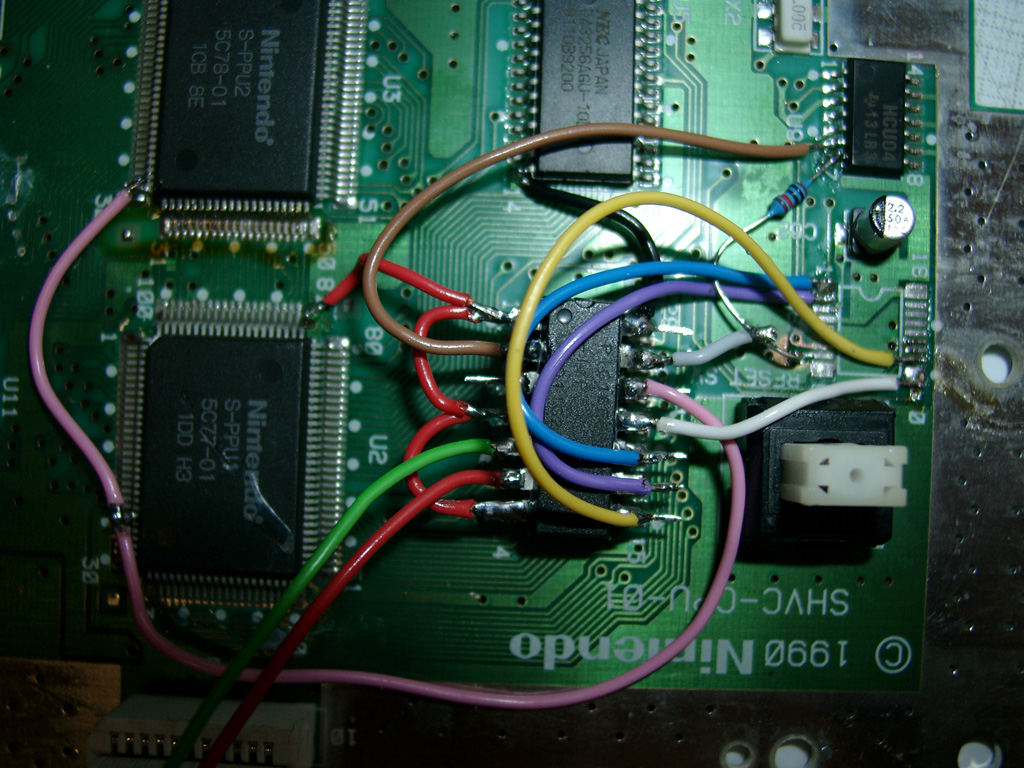
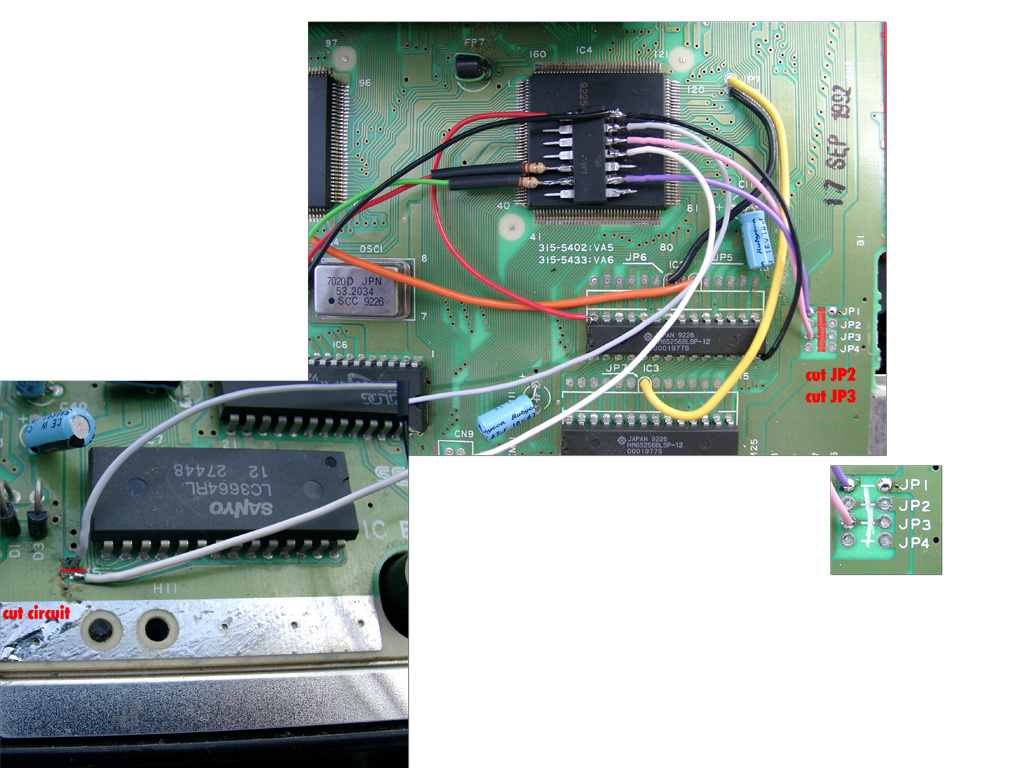
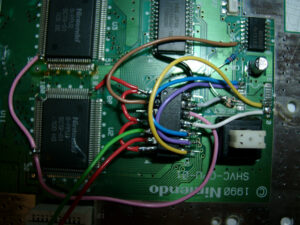
Here you can see the wiring of the pic with ikari_01 Code:

First we have to put some 5V at the PIC.
You can set the PIC into 2 Modes
a) Pin 4 to 5V (I used this Mode, see the red wire)
b) Pin 4 to GNDAnd please set Pin 7 To 5V (PIC is set to RGB-LED Mode (common anode).
Take 5V From the Pin 81 of the nearby IC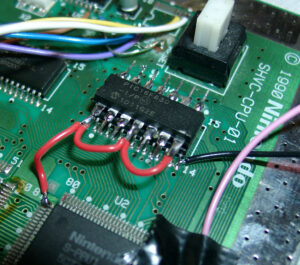
some pictures of more wiring
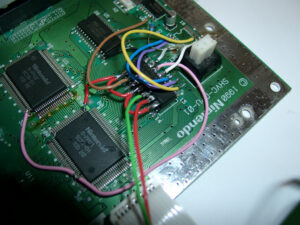
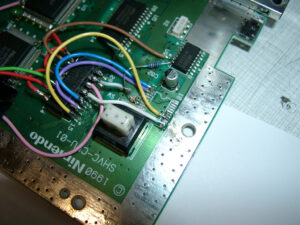
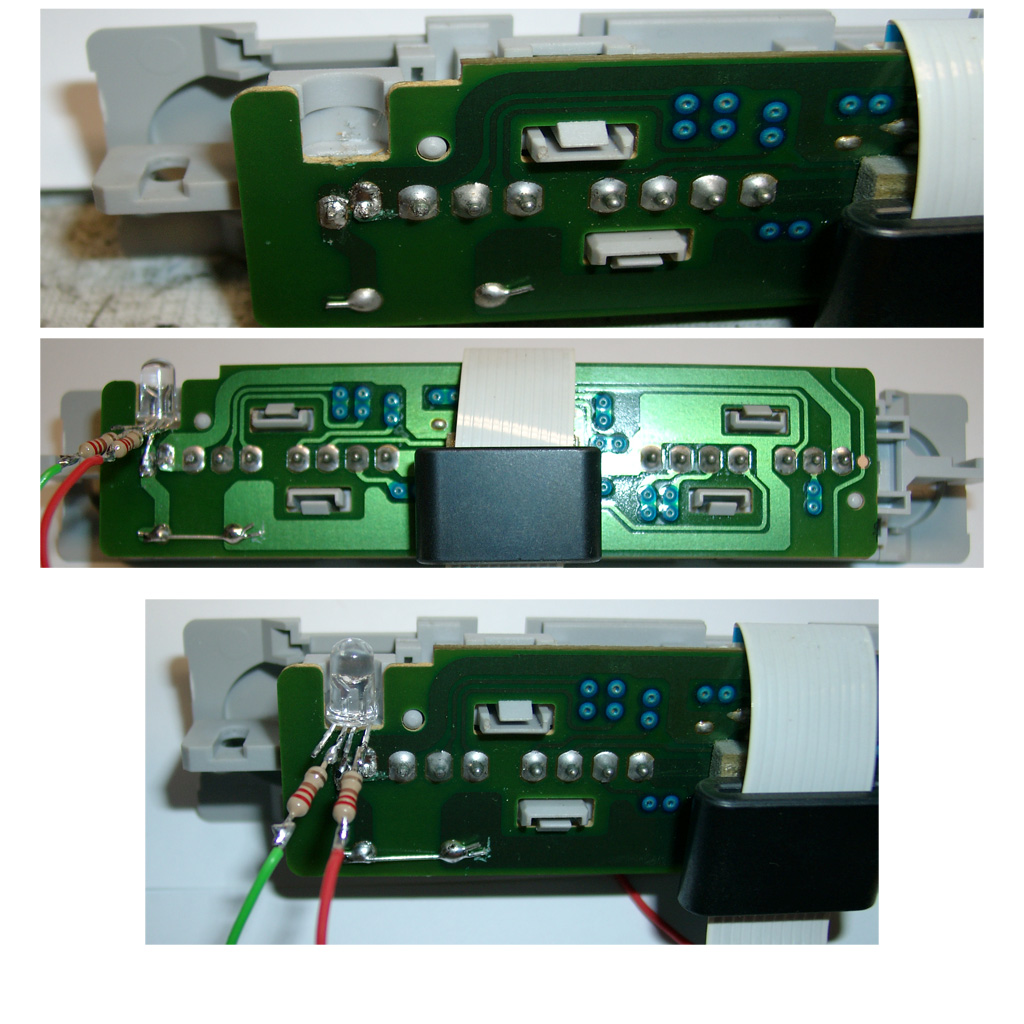
To do the LED Mod you have to remove the original LED at the controller port.
You can shortcut the original Resistor of the LED, if you want the full power of the RGB-LED 😉
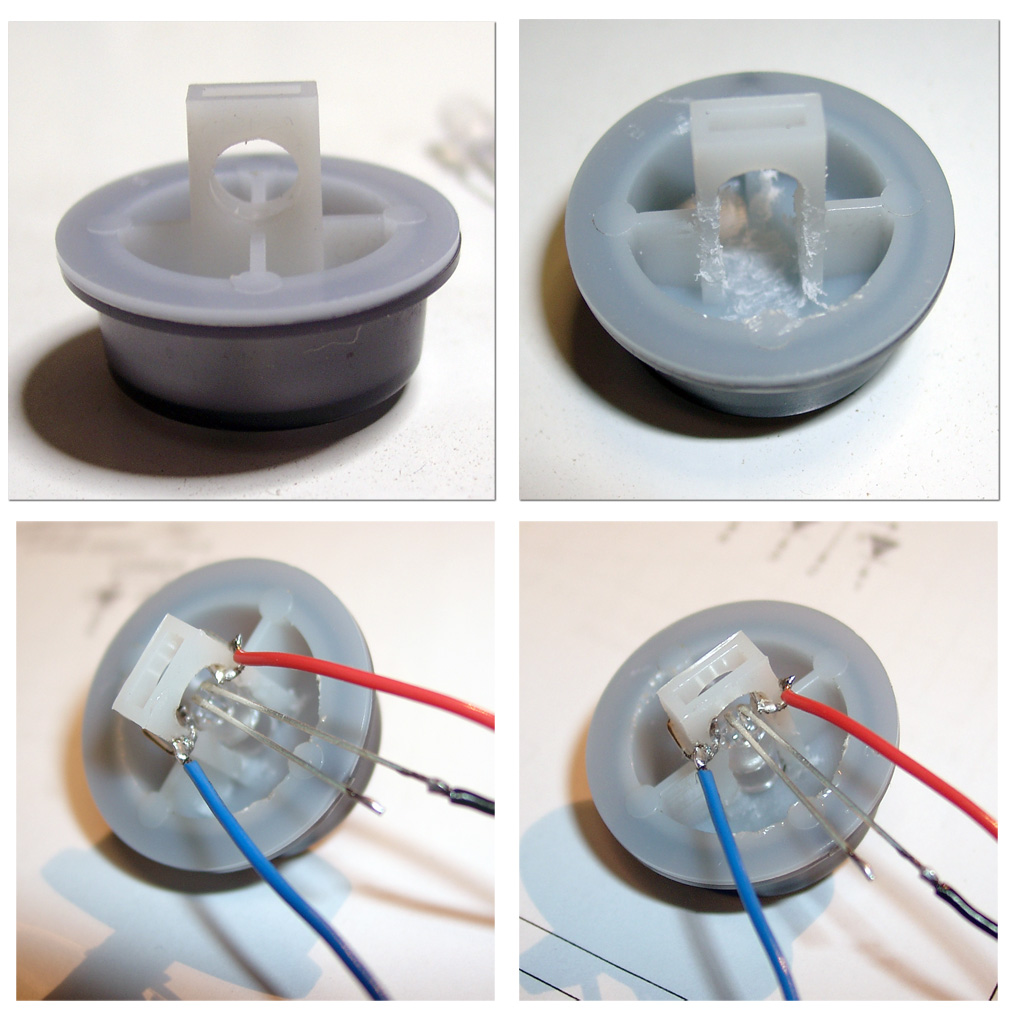
With a RGB Led you can choose 2 of the 3 colors you wish. I am using the normal colors red and green.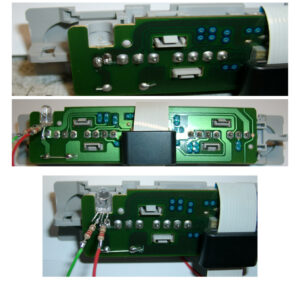
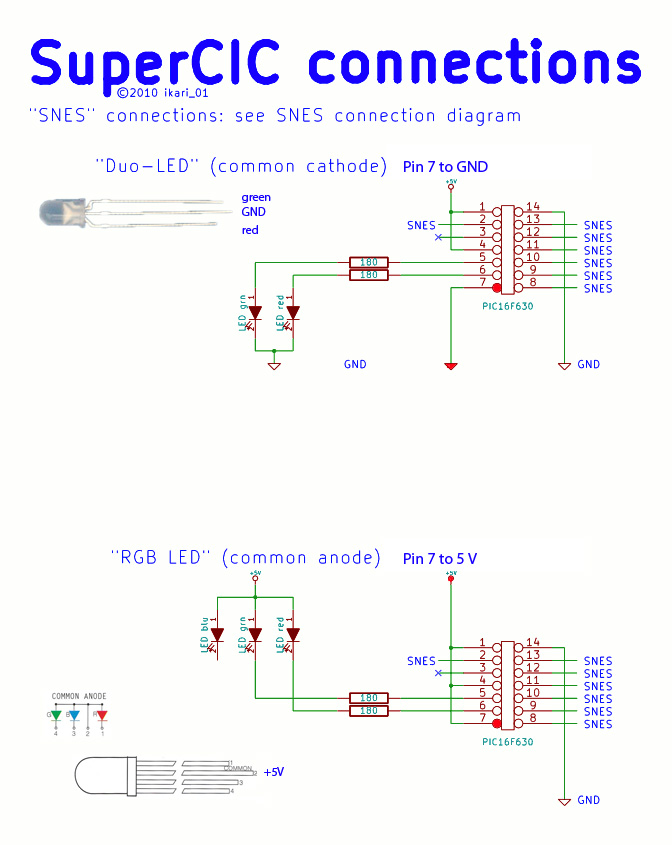
You can use two different LEDs:
a) a Duo-Led with common cathode (GND)
You have to set Pin 7 of the PIC16F630 to GNDb) a RGB-Led with common anode (plus)
Look here for a picture:

Some Info about the usage of the superCIC.
You can change between 50/60Hz and Auto Function by pressing the Reset Button for longer as around 0,5 sec. The current Status is shown by the DUO-LED. (red=60Hz, green 50Hz, orange=Auto).
After releasing the Reset Button the mode will be active. The SNES will not reset at this moment.a) 50Hz Mode is active (green)
If you insert a PAL-Game, it will start with 50Hz
If you insert a NTSC-Game, it will start with 50Hz (if Pin 4 is set GND)
If you insert a NTSC-Game, it will start with 60Hz and switches to 50Hz after 9 sec. (if Pin 4 is set 5V)
If you insert a Game without CIC, it will start with 50Hzb) 60Hz Mode is actice (red)
If you insert a NTSC-Game, it will start with 60Hz
If you insert a PAL-Game, it will start with 60Hz (if Pin 4 is set GND)
If you insert a PAL-Game, it will start with 50Hz and switches to 60Hz after 9 sec. (if Pin 4 is set 5V)
If you insert a Game without CIC, it will start with 60Hzc) Auto Mode is actice (orange)
starting the Game in its native frequence.
If you insert a NTSC-Game, it will start with 60Hz
If you insert a PAL-Game, it will start with 50Hz
If you insert a Game without CIC, it will start with 60Hz
Here you can see a video, how the switching is working:Here you can see a US-Unit with a RGB Led using blau and red part of the LED:
-
Sega Mega Drive 1 switchles mod
Today I got a PAL SMD1 Console. I tried sebs code as several times before to make a switchless mod.
You have to cut 3 circuits and need a 3mm Duo-Led for displaying.
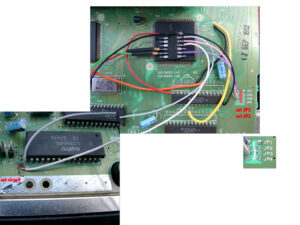
-
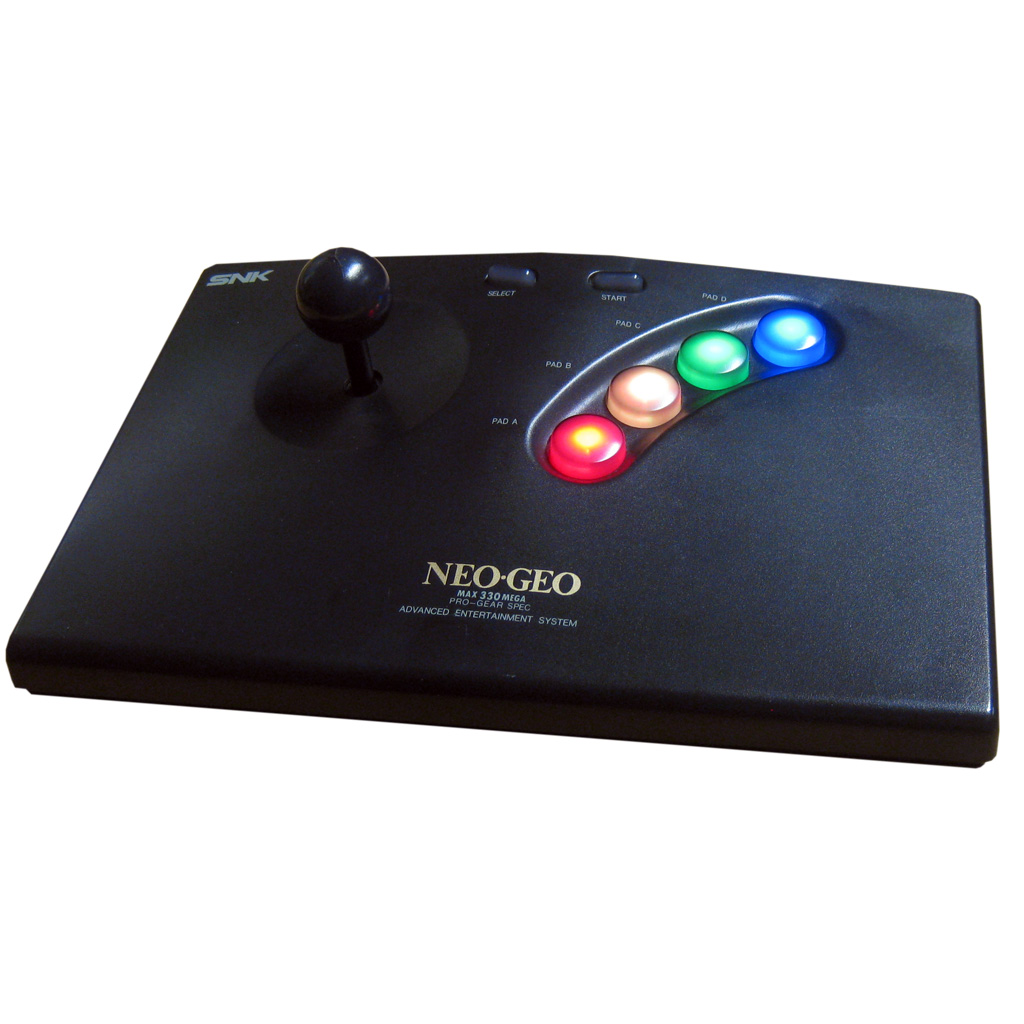
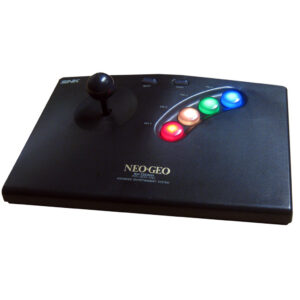
NeoGeo Oldstyle Button LED mod
After surfing the www for neogeo… I found a modified NeoGeo Joyboard with LEDs.
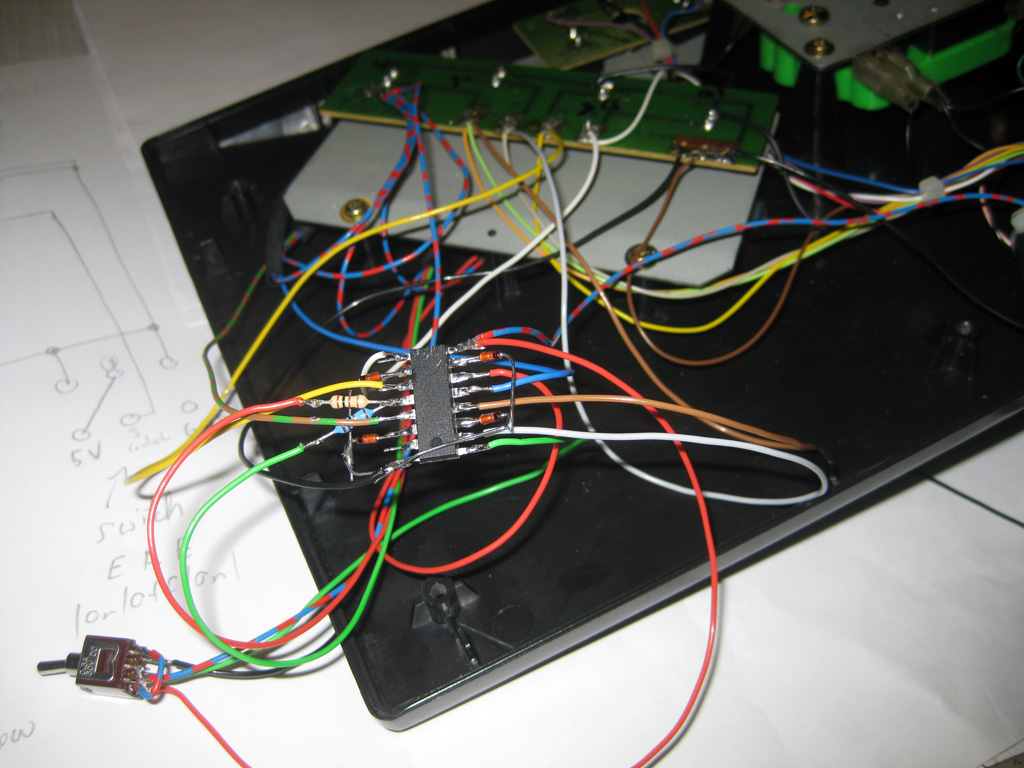
A great Idea, and some dremel work later…
Nothing new for me. The Buttons in the oldstyle Boards are the same as the NeoGeo Reset Button.
I done this mod weeks ago. Some RGB-LEDs and Resistors and done…If you can’t do it, we offer this service:
http://www.wolfsoft.de/shop/product_info.php/products_id/14793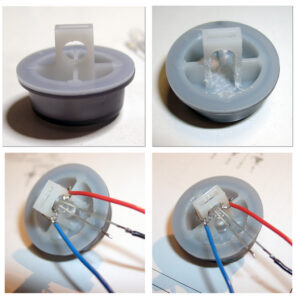
Video:
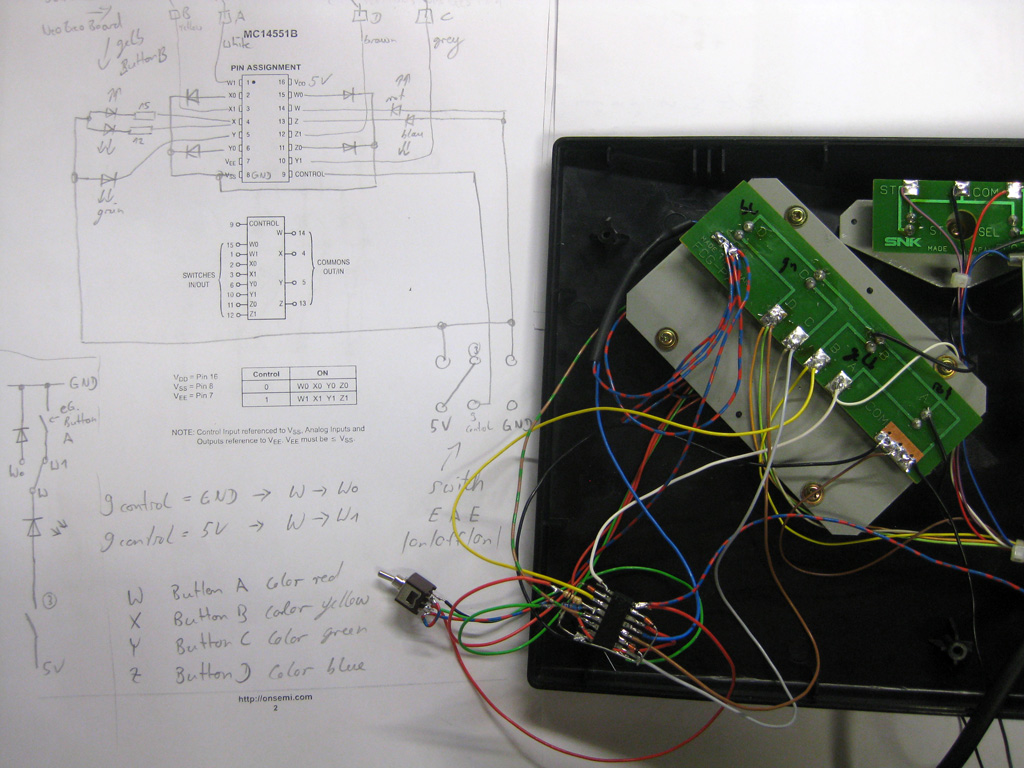
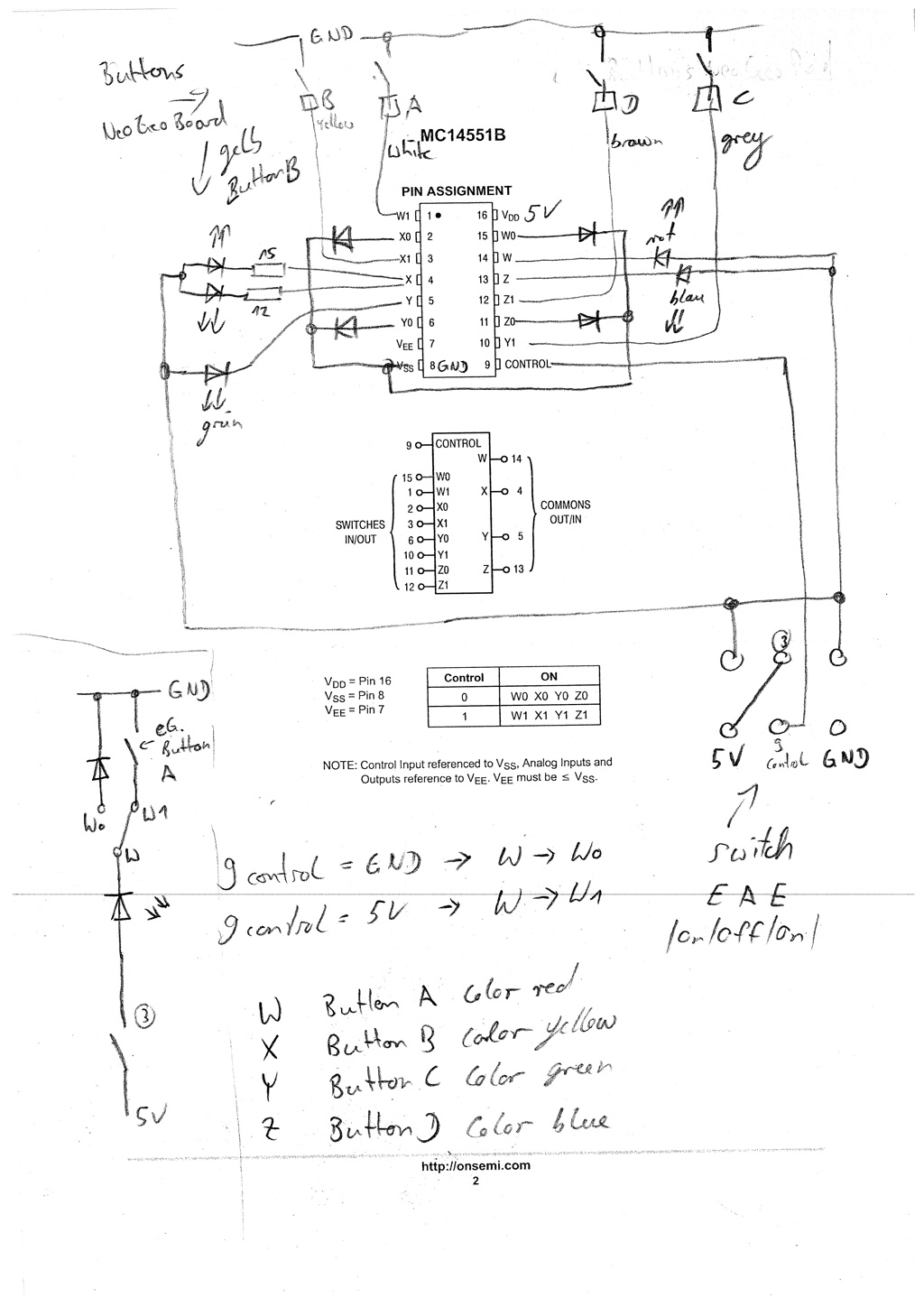
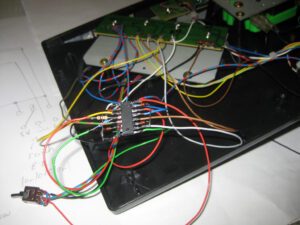
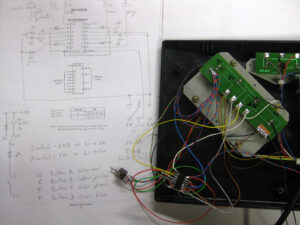
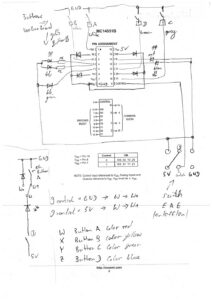
I done some upgrade and make the lights switchable.
I am using a analog switch MC14551B to make three modes possible
a) lights off
b) Light on button press
c) all lights on
-
Forcefeedback with Optocopples for PinballCabs
As I described before. I am using a „big“ Solonoids (Relais) for forcefeedback of the flipperfingers.
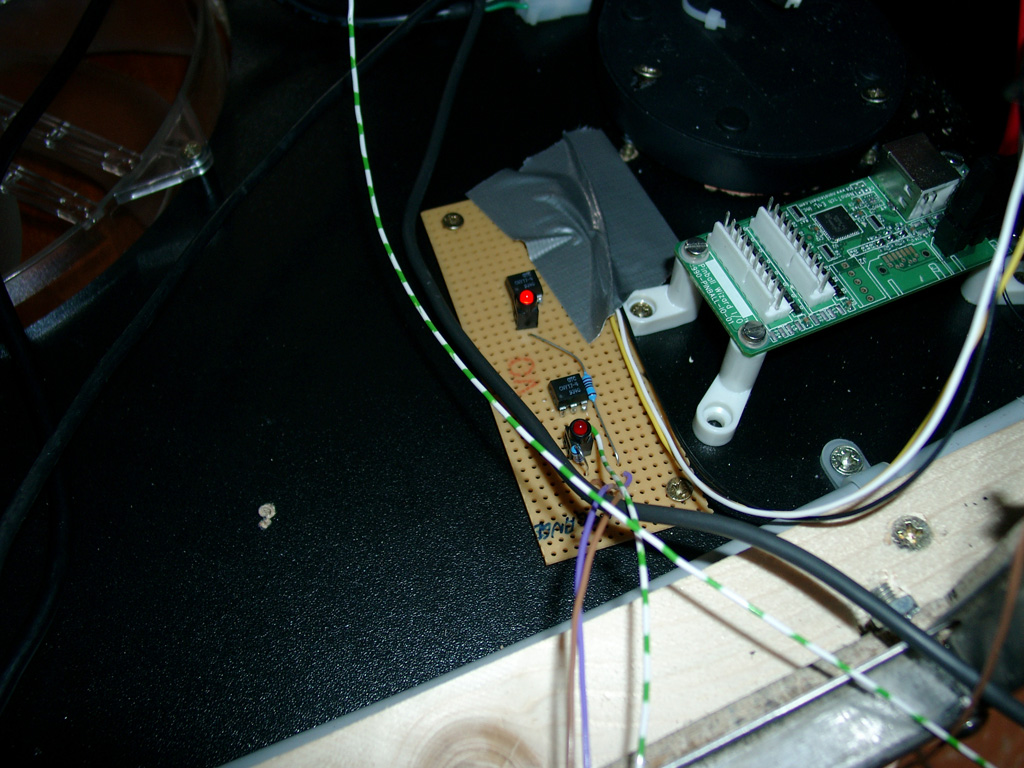
First I used one of the solonoid contact to trigger the Keyboardencoder.
The problem of this big relais is, that its a short delay between flipper button pressing and sending the signal to the encoder.
So I used a little optocoppler to sent the signal faster to the keyencoder.
The signal is wired parallel and there is no more delay
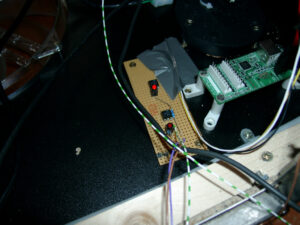
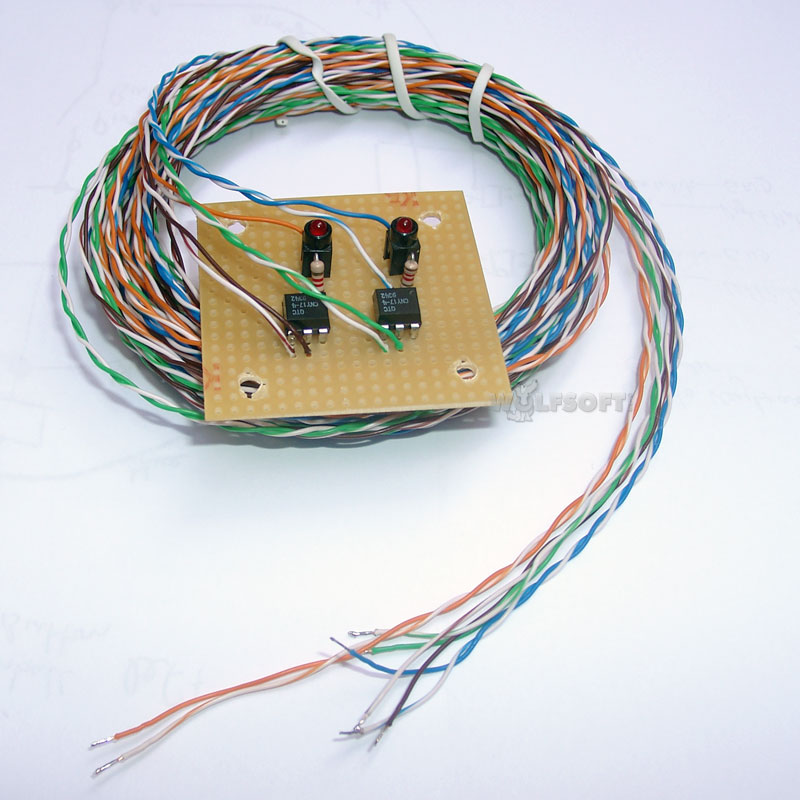
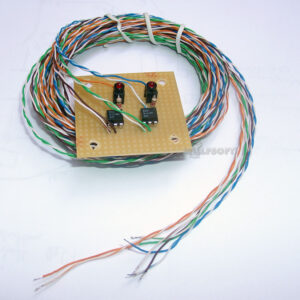
Here you can see the kit we offering. It includes long wires to place the solonoids nearby the flipperbuttons and you can reach the keyencoder too.
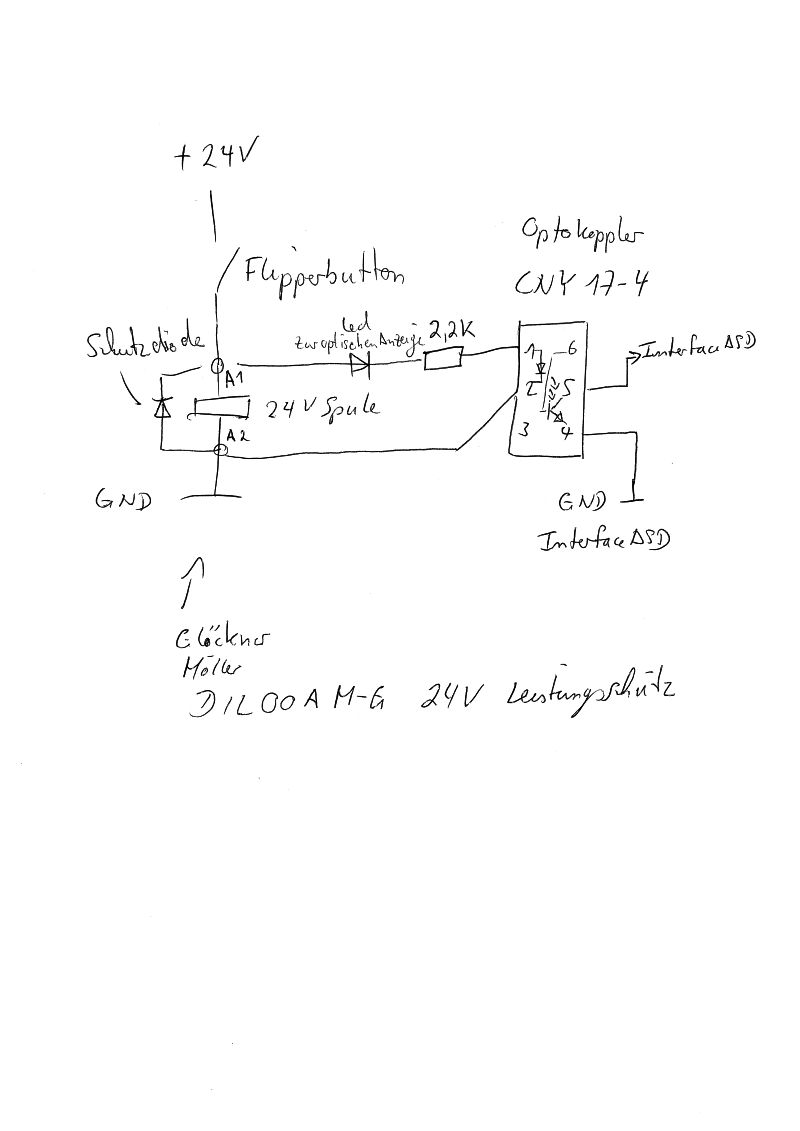
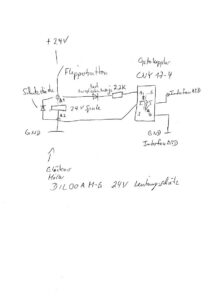
Here you can find a shematic how to connect it to your flipperbuttons and solonoids
-
Beta Finalisation
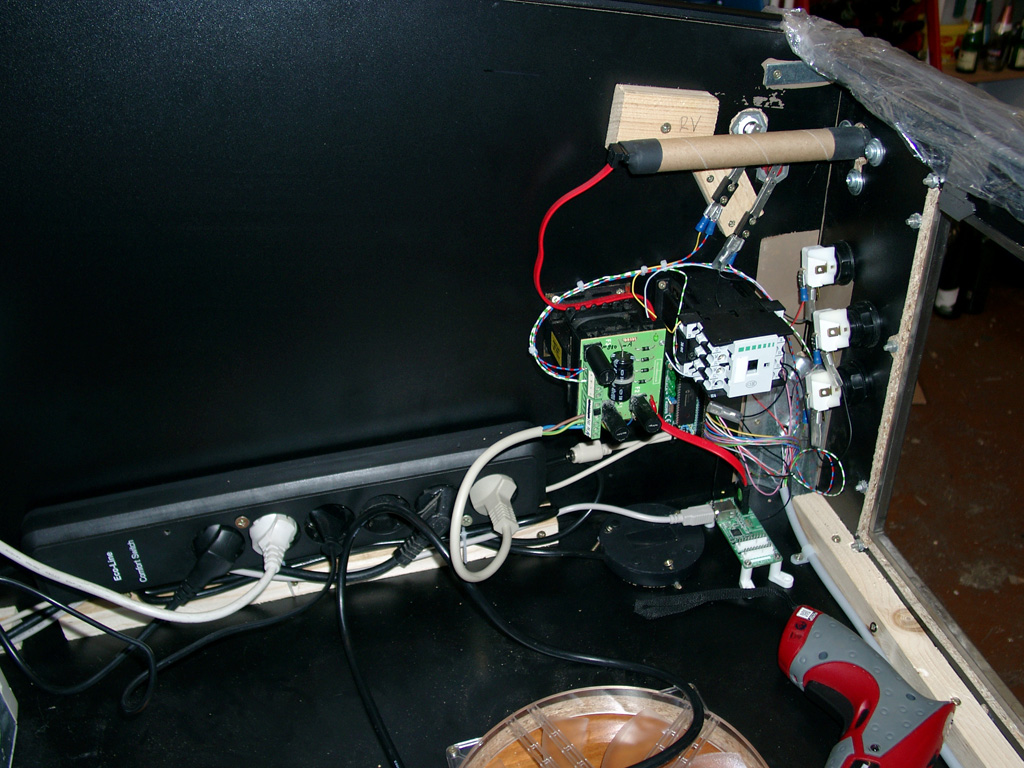
The wiring is done.
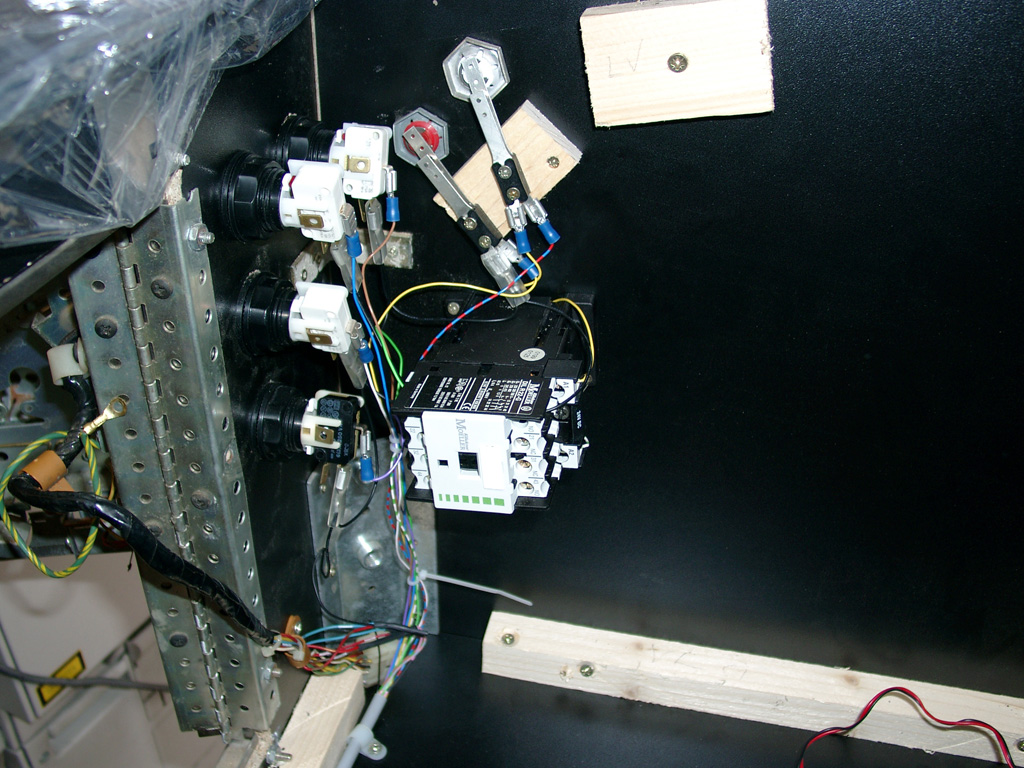
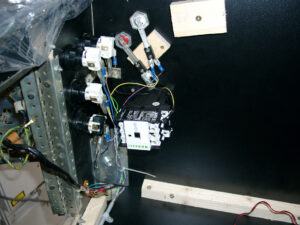
Using a InferfaceASD for Keyboard support. And the nanotech MotionKit. Having trouble with nudging…. Later…. I am using a big relais for „forcefeedback“ powered by 24V and using the contacts of the relais for the InterfaceASD.
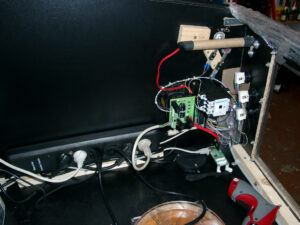
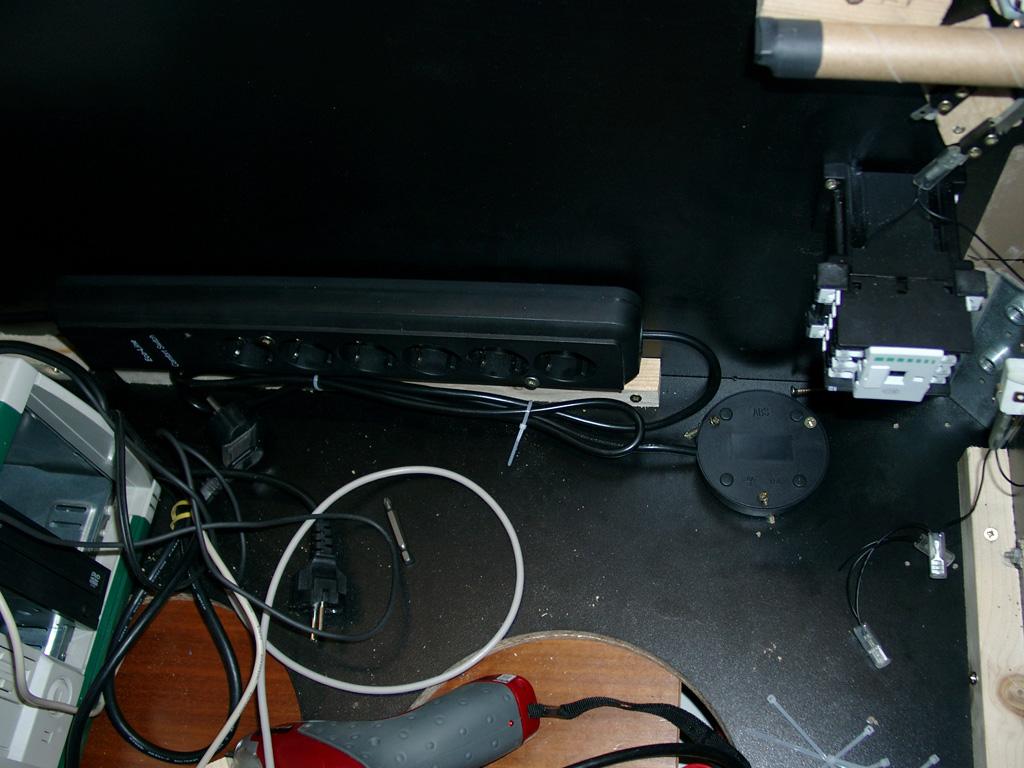
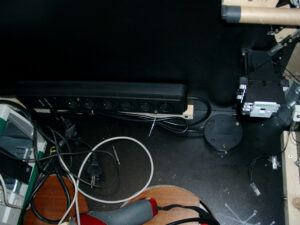
A plugbox with switch for powering up the system:
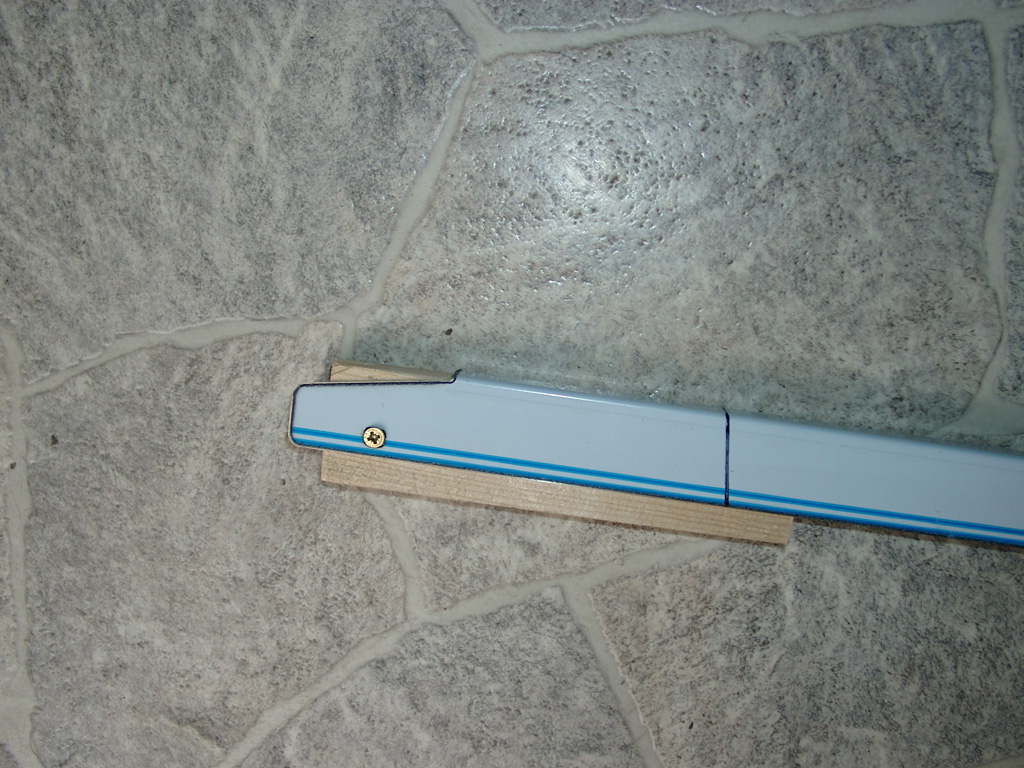
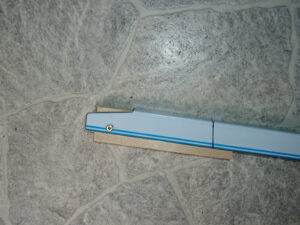
The Pinball Cabinet is around 10cm shorter as an original. So I have to cut the siderails:
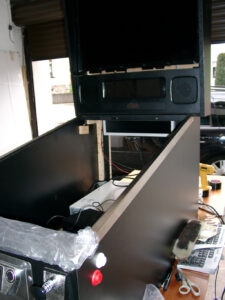
To cover the edges of the LCD i am using this here:
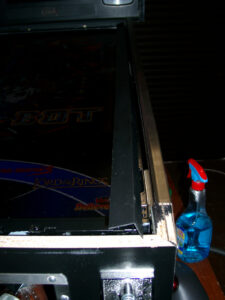
First complete look